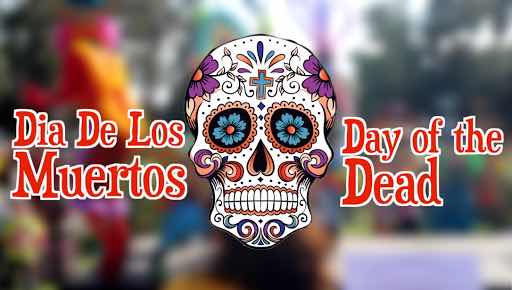
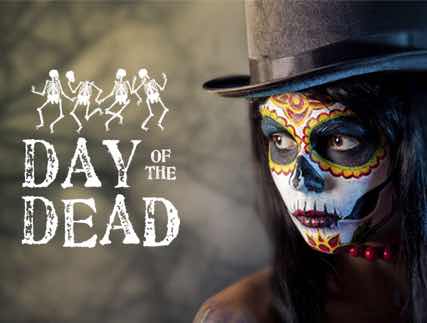
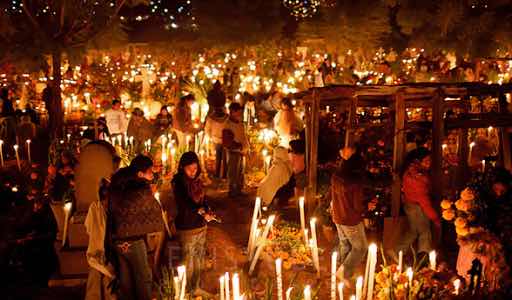
Even though this coincides with the Catholic holiday called All Soul's & All Saint’s Day, many people have combined this with their own ancient beliefs of honoring their deceased loved ones.
They believe that the gates of heaven are opened at midnight on October 31.
Then the spirits of all deceased children (angelitos) are allowed to reunite with their families for 24 hours.
On November 2, the spirits of the adults come down to enjoy the festivities that are prepared for them.


Halloween started around 2,000 years ago, it was called Samhain.
Samhain was celebrated by the Celts of Ireland and Great Britain.
November 1st. was considered to be the beginning of a new year and the beginning of winter and the end of Fall.
Also, the spirits of the dead were thought to come back to visit their loved ones and those people who had died during that year were thought to cross over that night.
People wore masks or disguises to scare off evil spirits.
Druids and Celtic priests would burn crops and hold bonfires.
Samhain was seen as the perfect day for performing divination on things like marriage, health and even death.
Then, over the course of several hundred years, Samhain became more like the Halloween as we know it today.
But why is this our favorite holiday?
Besides the great Halloween activities and costumes, there are the beautiful pumpkins to be painted or carved, bonfires, scary movies, corn mazes, haunted houses and the magical feeling it offers.
These activities are much more fun than any other holiday activities.
We have Samhain, the rituals for people who want to celebrate
nature, the leaves, apples, pumpkin, nuts, the harvest.
You can perform ceremonies, prepare special meals, even use certain spices and herbs in your food that day.
Samhain is made to celebrate the spirits of the dead and can help with some people’s grief of the loss of a loved one, and it can help you appreciate your life more.
We believe that Halloween, in whatever way you decide to celebrate it, is the most fun,meaningful and exciting holiday.
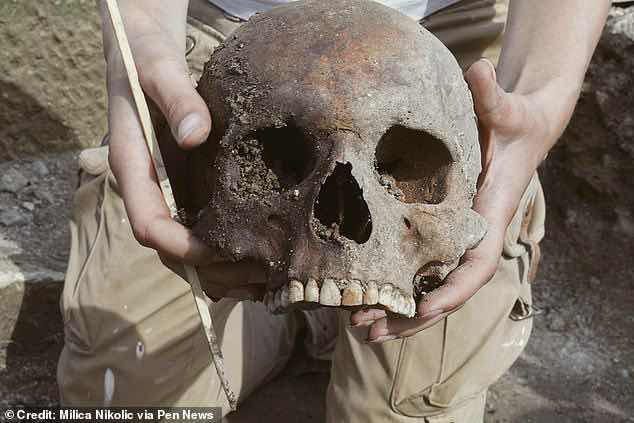
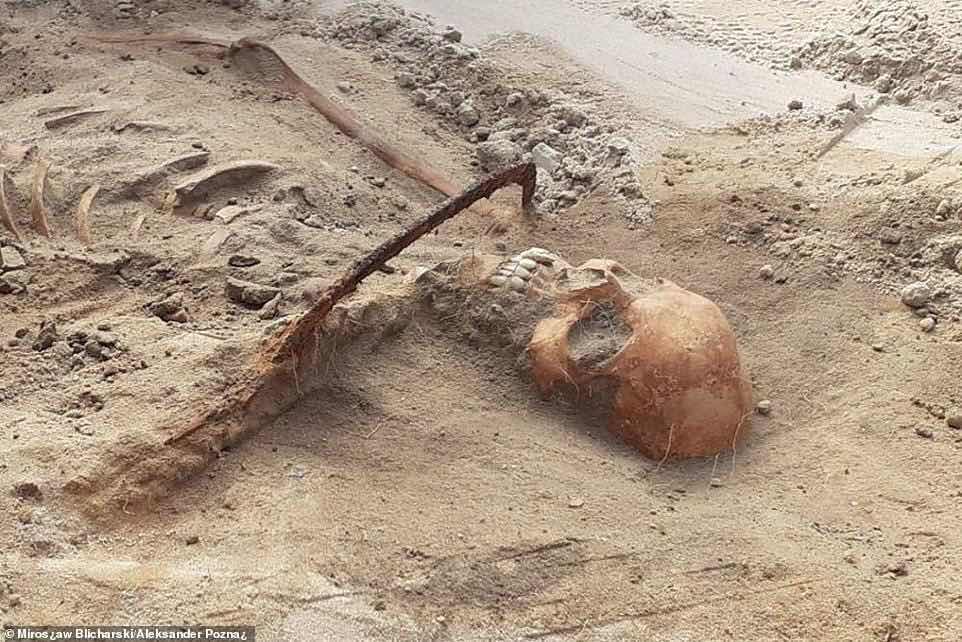
Apparently, the remains of a real 15th-century 'vampire' who was decapitated to stop him rising from the dead have been found in a medieval fortress in Croatia.
Račeša, the headquarters of the Knights Templar 70 miles (112km) southeast of Zagreb, is the site of more than 180 burials, but there’s one that stands out as particularly unusual.
The belief in blood-sucking vampires dates back to pre-Christian times.
In Slavic countries like Croatia, Dr Šarkić says that people strongly believed in the existence of vampires for hundreds of years.
For example, we have Jure Grando Alilović, a Croatian villager who died in 1656, and is described as a vampire in historical records.
Neighbouring Serbia has another example – Petar Blagojević, who died in 1725, and whose body was staked through the heart, and burnt as a suspected vampire.
Archaeologists have found several 'vampire' burials in Poland including the body of an 18-year-old girl pinned to her grave with a sickle and a padlock to prevent her returning.
Since vampires were believed to be nearly indestructible forces of evil, medieval people took extreme measures to prevent them from returning.
That’s why precautions were taken to prevent the transmutation of the newly dead into vampires.
The notion of blood-sucking vampires goes back thousands of years and was common in many ancient cultures, where tales of the undead was rampant.
Archaeologists recently found 3,000 Czech graves, for example, where bodies had been weighed down with rocks to prevent the dead returning from their tombs.
Then Christianity only fuelled the vampire legends even more, for they were considered the antithesis of Christ — spirits that rose from the dead bodies of evil people.
Such vampires would stalk the streets in search of others to join the sucking of lifeblood from humans and animals to survive.
In medieval times, when the Church was all-powerful and the threat of eternal damnation fueled superstition among the peasantry community, already cursed by the Black Death, the fear of vampires was widespread.
In some cases, the dead were buried with a brick wedged in their mouths to stop them rising up to eat those who had perished from the plague.
Records show that in the 12th Century on the Scottish Borders, a woman claimed she was being terrorised by a dead priest who had been buried at Melrose Abbey only days earlier.
When the monks uncovered the tomb, they claimed to have found the corpse bleeding fresh blood. The corpse of the priest, well known for having neglected his religious duties, was burned.