
Friday, September 5, 2025
Thursday, September 4, 2025
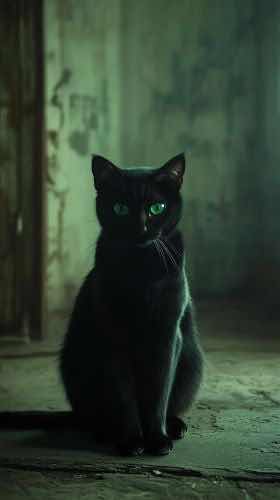
We Love Black Cats
During the middle-ages in Europethe black cat’s popularity crashed big time because they were associated with witches, black magic and bad luck.
The hysteria of witches and black magic had Europe in a frenzy and any old lady feeding stray cats were often accused of witchcraft.
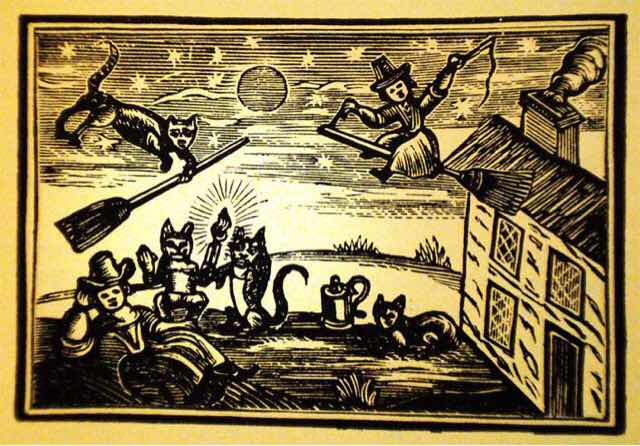
Their cat companions, some of which were black ones were guilty of black magic simply by association.
People really believed that witches transformed themselves into black cats in order to move about unnoticed.
Even today the association between black cats, witches and Halloween have become a symbol of evil, Satanism and all things bad.

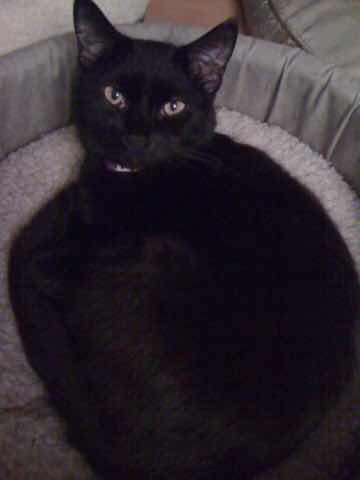
Well, we love our black cats, here they are, The Pagan Kitchen Black Cats:


Black Cats in Egypt
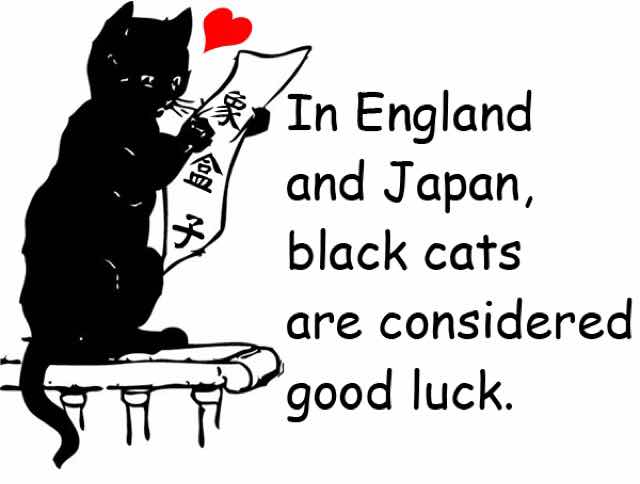
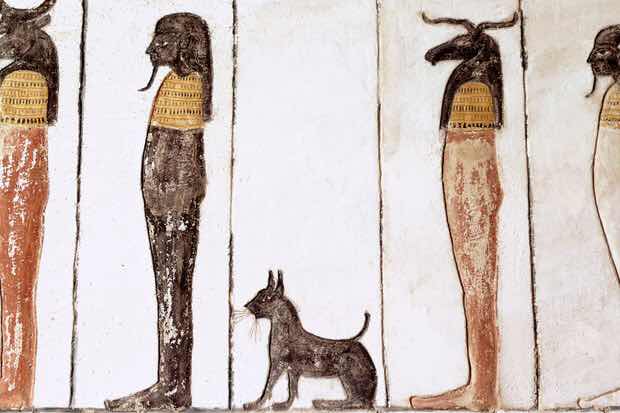
Black cats were originally considered to be good luck by the Egyptians.
In fact, they were revered.
There once was a time (besides currently in the Pagan Kitchen), black cats were actually considered divine creatures. ... Egyptians had so much love and respect for their feline family members that they were even embalmed and mummified when they passed on to kitty heaven.

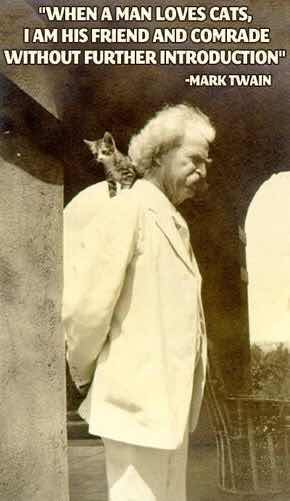


Are Black Cats Are Lucky?
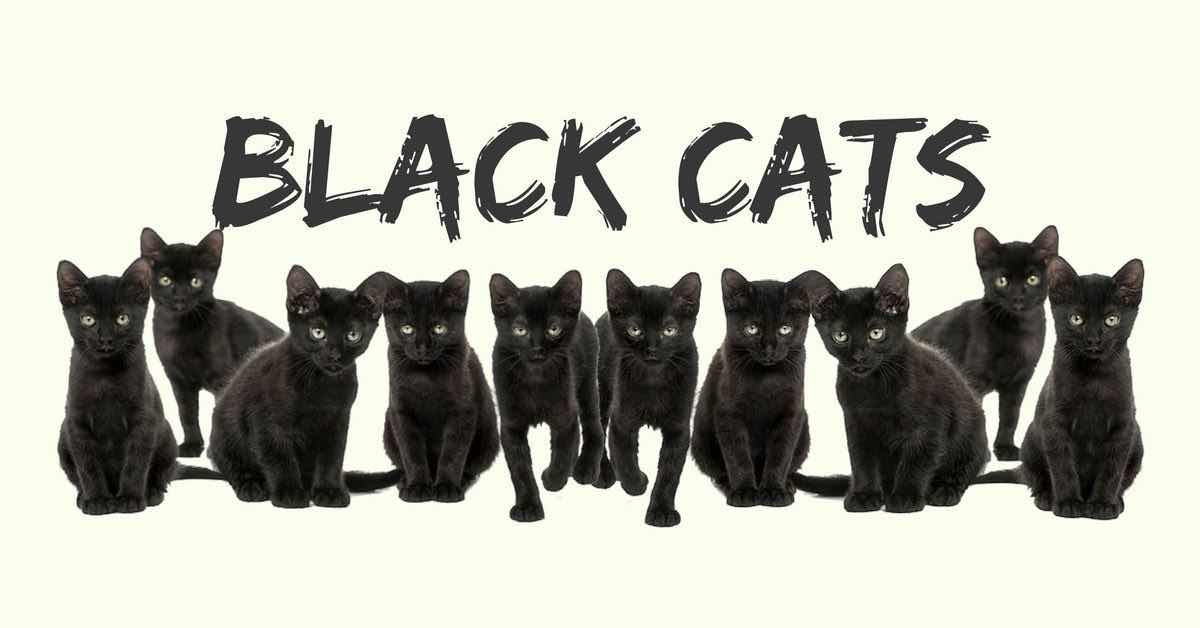




All we can say is, we have been fortunate enough to live with many black cats and not only are they great companions, they also bring great positive energy into our lives.
Wednesday, September 3, 2025
How Do I Pronounce...?

The names that are generally used to denote the Wiccan sabbats (as well as festivals of many pagan traditions) come from Gaelic (both Scots and Irish), Welsh, Norse, and Anglo-Saxon.
There are variations of pronunciations for each one.
We are not saying you have to say it with perfect pronunciation.
But since so many people have asked, here is a list that can give you a good start in trying to sound like the languages from which these words came.
Just remember, this is not some kind of Sekrit Pagan Language (TM); many of these words are in use in Europe today by pagans and non-pagans alike to denote these days.
And yes, this shows a European bias, but then so do the commonly-used names for Wiccan holy days.
These seem to be the names most frequently asked about in alt.pagan.
Samhain (31 Oct) -- Irish Gaelic for "summer's end." The standard Irish pronunciation is "sow-in" with the "ow" like in "cow."
Samhain (31 Oct) -- Irish Gaelic for "summer's end." The standard Irish pronunciation is "sow-in" with the "ow" like in "cow."
Other pronunciations that follow with the many Gaelic dialects include "sow-een" "shahvin" "sowin" (with "ow" like in "glow").
The Scots Gaelic spelling is "Samhuin" or "Samhuinn."
There is no linguistic foundation for saying this word "samhane" the way it might look if it were English.
When in doubt, just say "Hallows" or even "Hallowe'en."
Yule (21 Dec) -- Norse for "wheel."
Yule (21 Dec) -- Norse for "wheel."
It's pretty much pronounced just like it looks, although if you want to make a stab at a Scandinavian sound, it'll be more like "yool" and less like "yewl."
This is the winter solstice.
Imbolg/Imbolc (1 Feb) -- Irish Gaelic for "in the belly." Pronounce this one "IM-bullug" or "IM-bulk" with a guttural "k" on the end.
Imbolg/Imbolc (1 Feb) -- Irish Gaelic for "in the belly." Pronounce this one "IM-bullug" or "IM-bulk" with a guttural "k" on the end.
Other names include Candlemas; Brighid (pronounced "breed"), who is the Irish goddess whose festival this is; and Oimelc (pronounced EE-mulk), which means "ewe's milk" in Scots Gaelic.
Ostara (21 Mar) -- Saxon name for a maiden goddess of spring, loosely connected to Astarte and Ishtar.
Ostara (21 Mar) -- Saxon name for a maiden goddess of spring, loosely connected to Astarte and Ishtar.
This one's easy -- "o-STAHR-uh."
Other names include Eostre (say "OHS-truh" or "EST-truh").
This is the spring equinox.
Beltane/Bealtaine (30 April) -- Irish Gaelic for either "fires of Bel" or "bright fires."
Beltane/Bealtaine (30 April) -- Irish Gaelic for either "fires of Bel" or "bright fires."
If you want to try it in Gaelic, you can say "bee-YAWL-tinnuh" or "BELL-tinnuh."
Unlike Samhain, this word can within the linguistic structure of its language of origin be pronounced like it looks -- "BELL-tane" -- without totally abandoning its original construction.
Other names are Walpurgisnacht (vawl-PUR-gis-nahkt) and May Day.
Litha (21 Jun) -- Norse or Anglo-Saxon for "longest day."
Litha (21 Jun) -- Norse or Anglo-Saxon for "longest day."
You can say this one just like it looks, or you can try for a Scandinavian sound and say "leetha" with the "th" more like a "t."
This is the summer solstice.
Lughnasadh/Lunasa or Lammas (1 Aug) -- The first is Irish Gaelic for "festival of Lugh" (a major Irish deity); the second is Anglo-Saxon for "festival of the loaves" ("hlaf-mass").
Lughnasadh/Lunasa or Lammas (1 Aug) -- The first is Irish Gaelic for "festival of Lugh" (a major Irish deity); the second is Anglo-Saxon for "festival of the loaves" ("hlaf-mass").
Don't panic at that spelling; the second (which is modern Irish as opposed to old Irish) tells you all you need to know.
Say "LOO-nah-sah." (Some people maintain that the Scots dialect says it "LOO-nah-soo.") Lammas is just like it looks, "LAH-mus."
Mabon (21 Sep) -- This is believed to be a form of the Welsh word for "son."
Mabon (21 Sep) -- This is believed to be a form of the Welsh word for "son."
Therefore, it would probably be pronounced "MA-bon" with the "a" like in "mass."
However, most Wiccans and pagans say "MAY-bon."
This is the autumn equinox.
Subscribe to:
Comments (Atom)