Ostara

Monday, July 28, 2025

Lughnasadh/Lammas The First Harvest


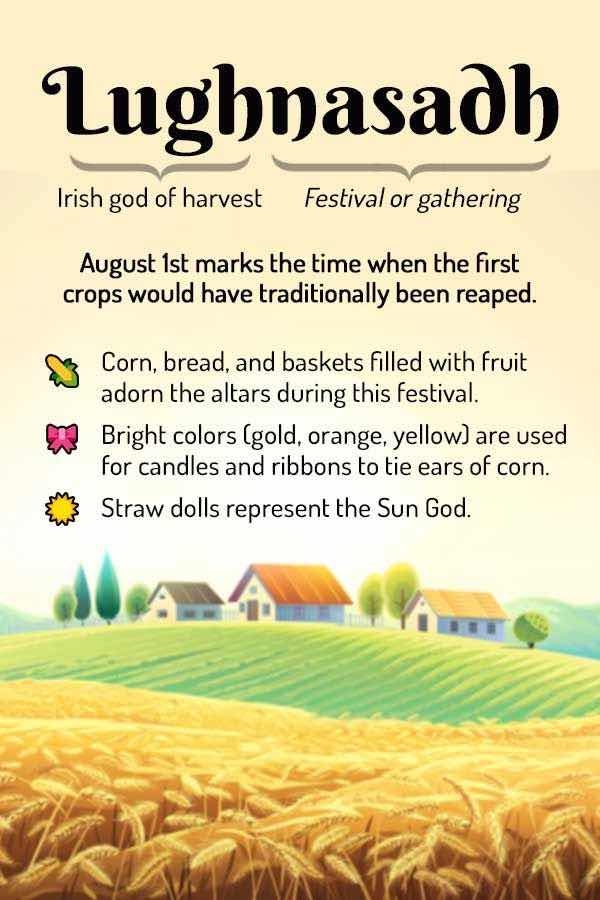
Lughnasadh also known as: Lammas, August Eve, The Festival of Bread, Elembiuos, Lunasa, Cornucopia (Strega), Thingtide (Teutonic) is celebrated at the beginning of August.


Lughnasadh (loo-NOSS-ah) is named for the Irish sun God, Lugh, and is regarded as the first of the three Pagan harvest festivals.


Lughnasadh is a grain harvest event, so you'll see corn, wheat, barley and grain and bread all over the place.
Ripened fruits and vegetables are also a part of the traditional celebration.

The threshing of grain was considered a sacred act, in fact, many threshing houses had wooden covers under the door so that no grain would be lost or wasted.
The early harvest and the threshing of grain has been celebrated for thousands of years.
By the way, that's the real meaning of word "threshold."

At Lammas or Lughnasadh, it's time to celebrate the first harvest of the year, and recognize that a change is coming, the summer days will soon come to an end.   
The plants of spring drop their seeds to guarantee future crops, grains are prepared to be harvested and the fruits are ready to be collected.

Lughnasadh is a time to be grateful for the food we have and to remember that It is a time to celebrate and prepare ourselves to the changing seasons and the ever turning Wheel of the Year.

At our gathering we are having fried chicken and corn on the cob.
We will have big garden salad, most of it out of our garden.
Lots of fruit and Fresh loaves of bread & butter.
We are making corn bread as well, chicken gravy and homemade mashed potatoes.
For dessert were making a blackberry pie and homemade ice cream.

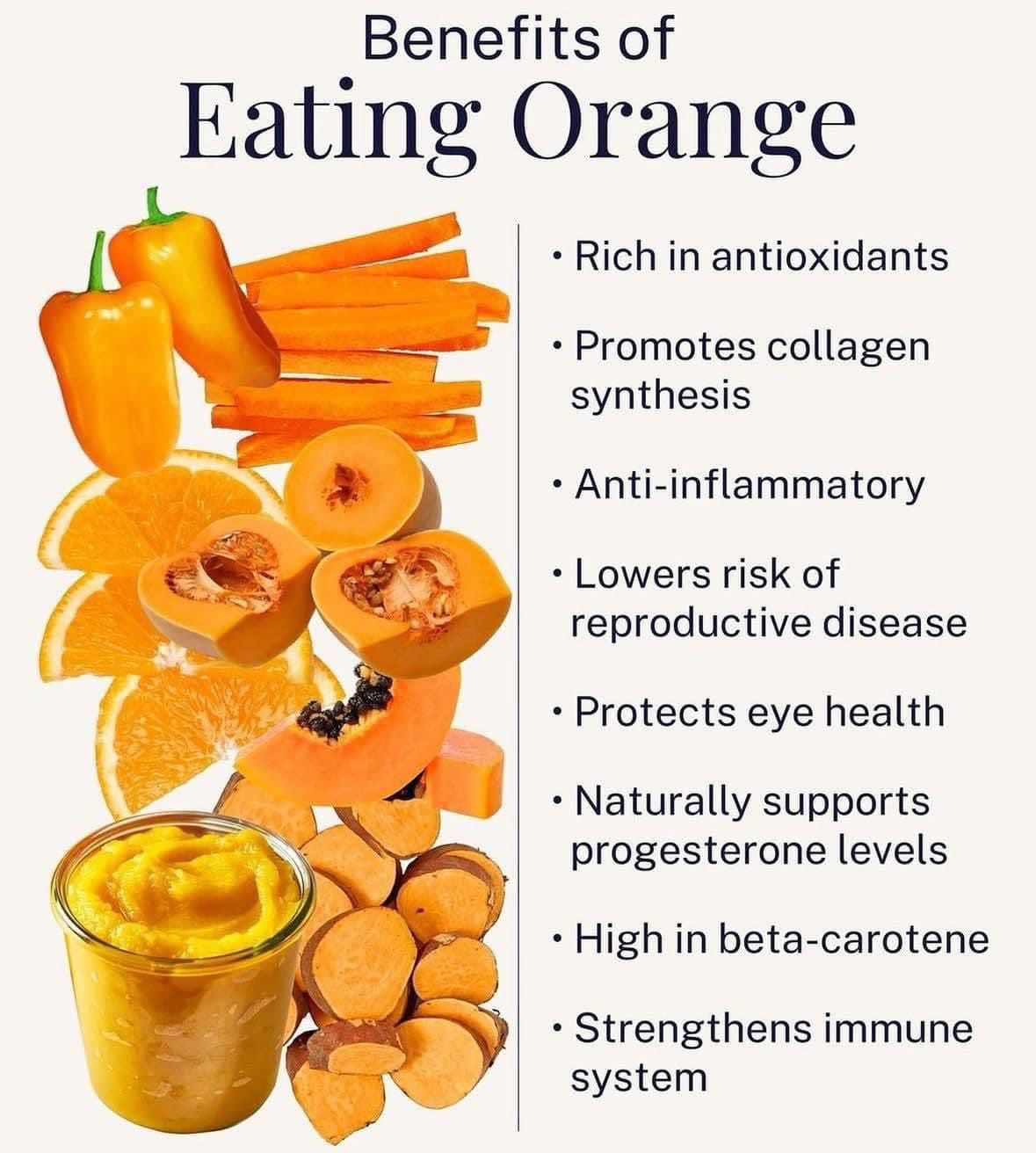
Eating Orange


Sunday, July 27, 2025

Lughnasadh Is Coming


The names that are generally used to denote the Wiccan sabbats (as well as festivals of many pagan traditions) come from Gaelic (both Scots and Irish), Welsh, Norse, and Anglo-Saxon. 
There are variations of pronunciations for each one. 
We are not trying to say that if you don't say it like we tell you to, that you'll be wrong or anything like that. But since so many people have asked, here is a list that can give you a good start in trying to sound like the languages from which these words came.
Just remember, this is not some kind of Sekrit Pagan Language (TM); many of these words are in use in Europe today by pagans and non-pagans alike to denote these days. 
And yes, this shows a European bias, but then so do the commonly-used names for Wiccan holy days. These seem to be the names most frequently asked about in alt.pagan.


Samhain (31 Oct) -- Irish Gaelic for "summer's end." The standard Irish pronunciation is "sow-in" with the "ow" like in "cow." Other pronunciations that follow with the many Gaelic dialects include "sow-een" "shahvin" "sowin" (with "ow" like in "glow"). The Scots Gaelic spelling is "Samhuin" or "Samhuinn." There is no linguistic foundation for saying this word "samhane" the way it might look if it were English. When in doubt, just say "Hallows" or even "Hallowe'en."

Yule (21 Dec) -- Norse for "wheel." It's pretty much pronounced just like it looks, although if you want to make a stab at a Scandinavian sound, it'll be more like "yool" and less like "yewl." This is the winter solstice.

Imbolg/Imbolc (1 Feb) -- Irish Gaelic for "in the belly." Pronounce this one "IM-bullug" or "IM-bulk" with a guttural "k" on the end. Other names include Candlemas; Brighid (pronounced "breed"), who is the Irish goddess whose festival this is; and Oimelc (pronounced EE-mulk), which means "ewe's milk" in Scots Gaelic.

Ostara (21 Mar) -- Saxon name for a maiden goddess of spring, loosely connected to Astarte and Ishtar. This one's easy -- "o-STAHR-uh." Other names include Eostre (say "OHS-truh" or "EST-truh"). This is the spring equinox.

Beltane/Bealtaine (30 April) -- Irish Gaelic for either "fires of Bel" or "bright fires." If you want to try it in Gaelic, you can say "bee-YAWL-tinnuh" or "BELL-tinnuh." Unlike Samhain, this word can within the linguistic structure of its language of origin be pronounced like it looks -- "BELL-tane" -- without totally abandoning its original construction. Other names are Walpurgisnacht (vawl-PUR-gis-nahkt) and May Day.

Litha (21 Jun) -- Norse or Anglo-Saxon for "longest day." You can say this one just like it looks, or you can try for a Scandinavian sound and say "leetha" with the "th" more like a "t." This is the summer solstice.

Lughnasadh/Lunasa or Lammas (1 Aug) -- The first is Irish Gaelic for "festival of Lugh" (a major Irish deity); the second is Anglo-Saxon for "festival of the loaves" ("hlaf-mass"). Don't panic at that spelling; the second (which is modern Irish as opposed to old Irish) tells you all you need to know. Say "LOO-nah-sah." (Some people maintain that the Scots dialect says it "LOO-nah-soo.") Lammas is just like it looks, "LAH-mus." 

Mabon (21 Sep) -- This is believed to be a form of the Welsh word for "son." Therefore, it would probably be pronounced "MA-bon" with the "a" like in "mass." However, most Wiccans and pagans say "MAY-bon." This is the autumn equinox.


Rosemary Cornbread


We want to share a recipe for delicious Rosemary Cornbread with you.

3 ounces frozen cut corn
1 tablespoon roughly chopped fresh rosemary leaves (no stems)
1 cup heavy cream
1 package corn muffin mix
1/4 cup finely diced red pepper
2 eggs
1 tablespoon minced shallot or green onions

METHOD

Spray a 13 x 9-inch or 11 x 9-inch cake pan with non-stick oil and coat with granulated sugar.
In a mixing bowl, combine all ingredients and mix thoroughly. 
Pour mixture into cake pan and bake in a preheated oven for 30 minutes at 300°
Raise temperature to 325°and bake an additional 20 minutes.
Serve with melted butter and your Lammas is off to a great start.