Christianity is an interesting thing.
It’s broken down into many different sects, each with their own set of beliefs, rules, and practices.
Each one claims to be the way, sometimes the only way to salvation.
But the things they all have in common is manipulation, fear, promises and money.
Then there are all the rules.
With their different idea of a God comes the dogma, the rule books (Koran, Torah, Bible, etc.) .
These books control all aspects of their lives such as what they can eat, drink, or what activities they can participate in, moral decisions, family decisions, or who they can associate with.
Enforcement is managed through a combination of manipulation and fear.
But heavens, which God to choose?
There are so many choices, who’s to decide which God to follow?

This conditioning leads to numerous issues for many younger people.
Once they start researching the histories of their religions, they immediately see that they have been misled.
With their eyes opening, they see that their holiday’s and customs were mostly stolen from pagan beliefs and practices.
It eventually becomes obvious that religions simply copy doctrines from one to another another and put their twist on it.
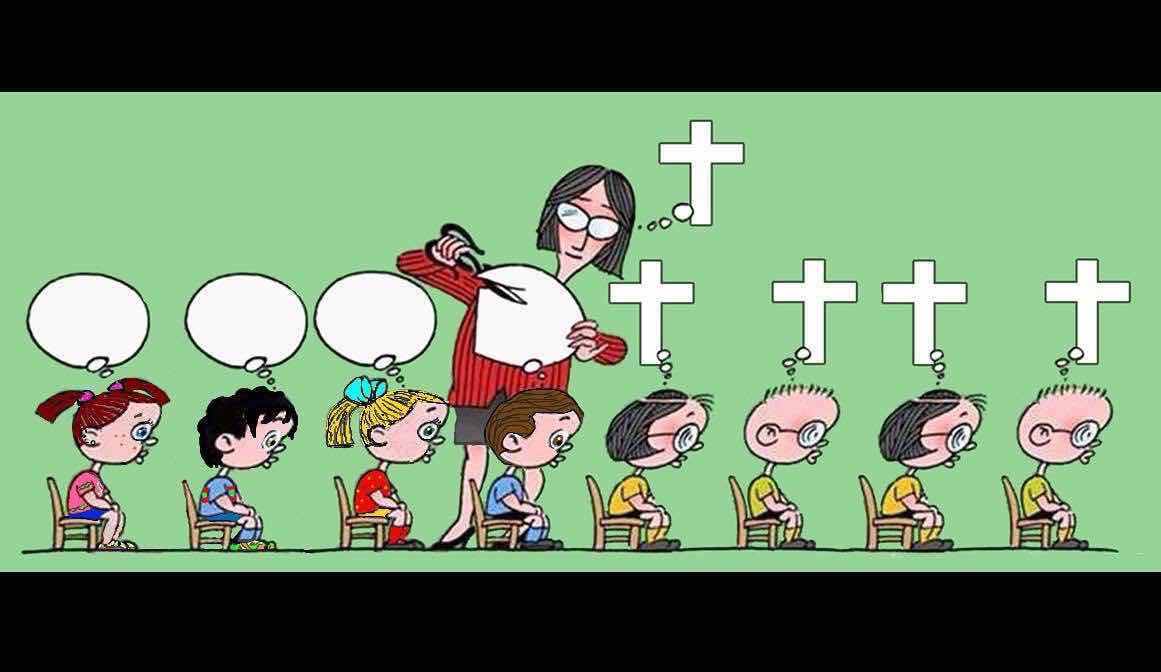
Human beings, have spiritual needs.
Many are feeling lost or rejected because they don’t fit in to the religious box.
And so people begin to search for alternatives.
This is where paganism becomes one of those alternatives.
Paganism doesn’t have all the dogmatic threats.
Pagans choose the path they want to follow and which Gods or Goddesses they wish to honor, if at all.
No one takes attendance, nor are there penalties, shunning, disfellowships and there is no collection plate.
So, what does paganism stands for?
Paganism is an umbrella term which was actually coined and brought into use as a derogatory term by the Christian Church.
It was a way of demonizing anyone who didn’t belong to their beliefs and church.
It’s been going on a long time, the Christian church has always been busy proselytizing and converting any and all non-Christian people from the ways of their ancestors to the ways of Christianity.
Anyone who didn’t convert or tried to retain the old ways, was branded as a pagan, which at the time meant they were either evil, in league with demons, practiced witchcraft, sacrificed humans, drank blood, or any other of a litany of horrific deeds and beliefs.
- Exodus 22:18
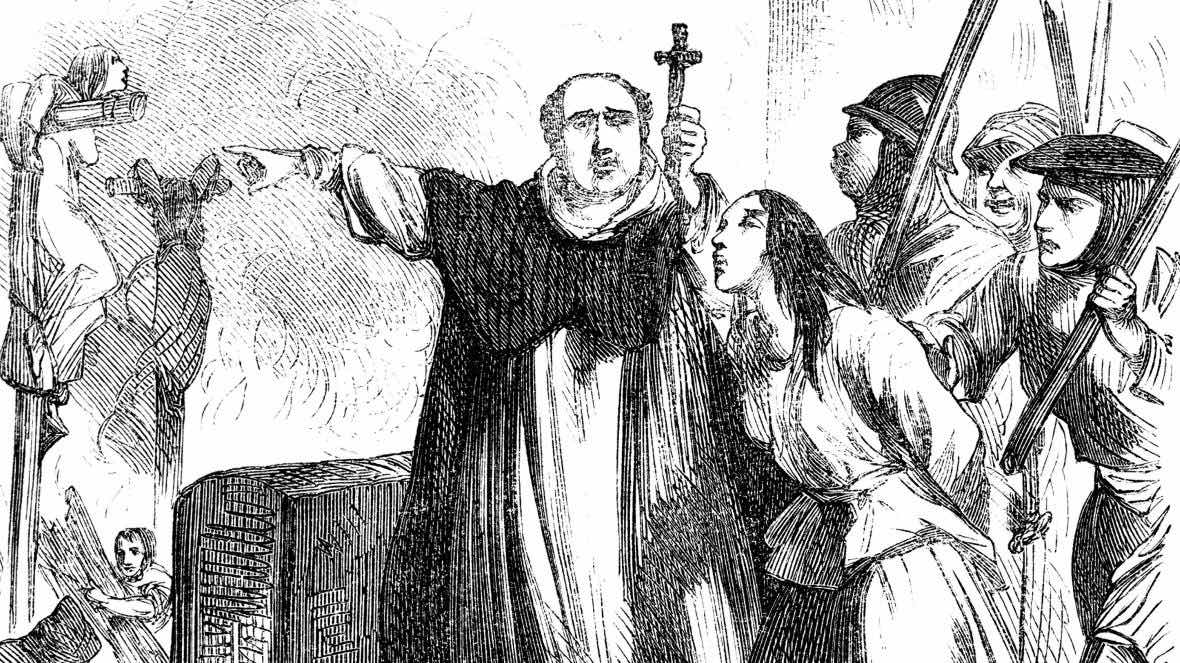
For more than a thousand years, non-Christians were persecuted, tortured, killed, imprisoned, stripped of wealth and title, and had their lands and families destroyed at the hands of church masters who were doing God’s work.
Being pagan carried was often a death-sentence in the Middle Ages as the church reshaped the European continent, the New World, and across the earth.
The warning was always the same; the church was good and paganism was wrong, evil, and meant certain eternal damnation.
And as Christianity grew stronger the condemnation grew as well as the numbers of people executed in horrible torture chambers or gallows.
Today, paganism is no longer under the church’s threats, it no longer carries a death sentence and is considered a real religious practice by most people.
Like Christianity, there are different beliefs and groups; the actual number is unknown but it includes Wicca, Occultists, Druidism, Witchcraft, Santeria, Native American beliefs, and many others.
There are different methods and practices used by the different groups, but there is mutual respect and a unwritten code of honor between them.
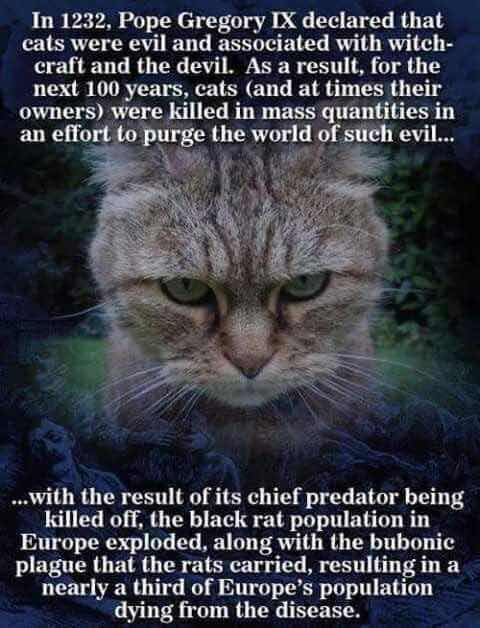
Deemed evil, witches were the most aggressively persecuted group, mainly because they challenged the church’s authority the most.
The challenge to the church wasn’t obvious, but strong enough to warrant the church dishing out horrible punishment and suffering upon anyone accused of witchcraft.
Historians have identified many reasons why the church had such strong negative feelings toward witches, but the most obvious one was the fact that they were natural healers.
Using plants, herbs, and items from the forest, ancient witches could concoct a medicine (potion or spell) that would ease symptoms and cure health problems.
Like today, the church insisted that prayer to their God was the answer to all catastrophes.
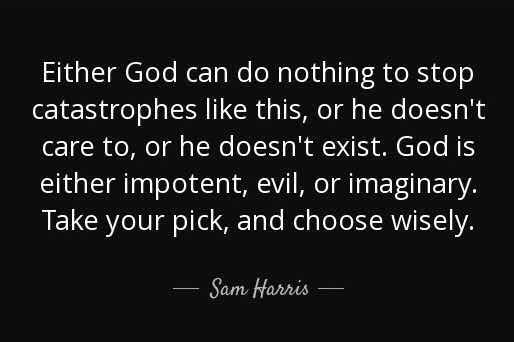
In truth, the witches potions worked and the prayer had little to no effect on anything.
As a result, the church had to demonize and then eliminate the witches, which led to the horrors of the religious purge.
Modern research and medicine has validated witchcraft healing, making prayer healing seem obsolete.
Tragedy, viruses and hardship are part of the church’s primary recruitment tools. They prey upon those desperate for help.
But people are beginning to see that the God of these churches doesn’t seem interested. The world continues to suffer and prayers aren’t being answered.
Perhaps he is powerless or doesn’t exist at all.
This community of pagans are bringing back the old Gods and Goddesses.
They are networking and sharing any remaining scripts or texts from long ago.
No longer do they fear the church.
Pagans are gathering in homes, forests, and backyards in small groups to honor nature.
Covens and groups are being formed and stones, herbs, crystals, and magickal objects are being used to reconnect the the magic of the earth.
It’s no longer taboo to say that I’m more in touch with myself and others around me. I feel grounded and have a connection with the planet, the soil, and the elements.
Paganism is growing because people want to raise their energy levels, to vibrate at a much higher level.
As their eyes open, they can see things that were always there, but never notice them.
With paganism, there are no rule books to follow and are free to make their own decisions.
You create and maintain your own moral compass.
You don’t have a master, priest, lay leader, or other guide telling you what to do.
You can practice all alone in any method you feel is right. You do not need another human being to the middle man/woman to reach the higher power you seek.
Paganism is all about working with nature, the planet and the energies of all living things.
Paganism is built around self-healing and spiritual cleansing.
It’s about empowering, learning of our own strengths and weaknesses and how to become stronger.
Healing of the body is done with plant medicine and other spiritual practices.
There is a place for modern medicine, but it’s not our only options.
Harm none is a generally accepted principle among pagans – we don’t like people telling us what to do and we in return don’t interfere with the lives of others.
For us, the Old Religion is the magic of the Earth itself.
It is the essence which binds all things together.