Ostara

Tuesday, March 25, 2025

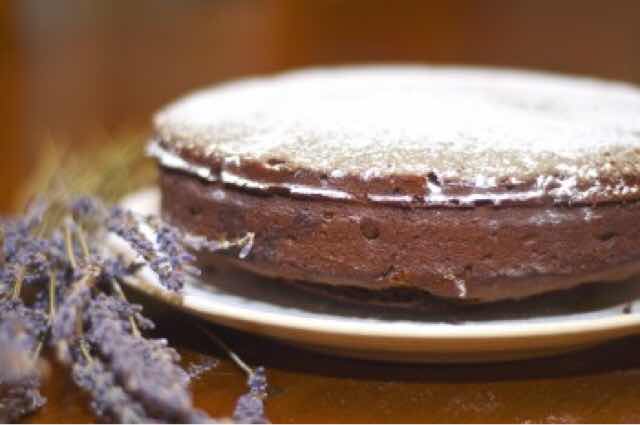
Beltane Cake


Beltane is a festival with ancient origins traditionally celebrated on May 1st, a spring time festival of optimism. 
This was a festival of great spiritual significance for the Celts, but some people celebrate it from a purely secular perspective. 

Numerous traditions surround the festival of Beltane. 
Bonfires would be set as a means of purification. 

Some people even burned their beds and floor coverings to start anew. 
The fires were also believed to protect people from harm by spirits of the netherworld. 
Many people put out sweets for the fairies in order to appease them. 

So, would you like to make the fairies happy?

Here's a traditional Beltane cake recipe and you can do just that:

Beltane Cake

This recipe makes a rich and spicy one-layer cake with 8-10 slices.

1 ¾ cups all-purpose flour

½ tbsp. baking powder

¼ tsp. nutmeg

½ tsp. ground cardamom

½ tsp. ground cloves

¾ tbsp. ground ginger

3 oz. unsweetened chocolate

½ cup milk

¼ cup brandy

½ tsp. vanilla

¾ cups butter

½ lb. dark brown sugar

3 eggs

¾ cups amaretto liqueur

confectioner sugar

Preheat oven to 350 degrees Fahrenheit. 177 degrees Celsius.

Grease a large bundt pan or spring-form pan.

Melt chocolate in a double boiler and set aside.

Mix milk, brandy, and vanilla.

Mix flour, baking powder, nutmeg, cardamom, cloves, and ginger in a separate bowl.

Cream the butter, then add brown sugar and beat until fluffy.

Add eggs, one at a time, into the butter mixture.

Add cooled chocolate to the butter mixture.

Add the flour mixture and milk mixture to the butter mixture a little at a time.

Pour mixture into greased bundt pan or spring-form pan.

Bake for approximately 50 minutes, or until done (test with a small knife), taking care not to overbake.

Let cake cool for 20 minutes before removing from pan, then place it into a bowl (flat side up) which is just large enough to hold it, but no larger.

Using a skewer, pierce the cake with 10-12 holes, being careful not to go all the way through.

Pour 1/3 of the amaretto over the cake. 

When that is absorbed, pour another 1/3 amaretto; when absorbed, pour the remainder onto the cake. 
This will take several hours.

When all of the amaretto has been absorbed, gently invert the cake onto a plate (flat side down).

Dust the cake with confectioner's sugar.

As a side note, in case you’re wondering...

Cardamom is a spice made from the seed pods of the cardamom plant, a close relative to ginger and turmeric, that is native to South India. 

The triangle-shaped pods are made up of spindle-shaped clusters of seeds with a thin outer shell that can be enjoyed both whole or ground. 
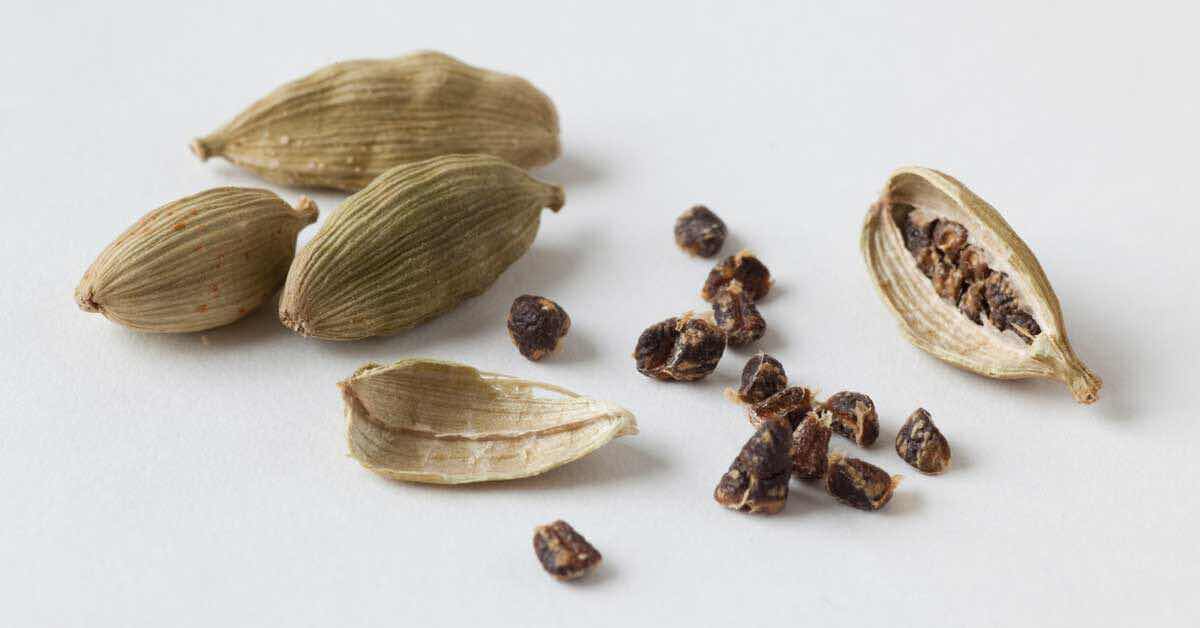


The spice is frequently used in both sweet and savory dishes in global cuisines from India to the Middle East to Scandinavia.


The taste?

It has a piney, fruity, and almost menthol-like flavor. 

When used too much, it can be slightly astringent, so use sparingly.


Monday, March 24, 2025

Beltane the May-Eve Sabbat is coming


Beltane marks the end of the dark half of year and the beginning of the light half of the year.
Beltane was traditionally the time to seek protection from both natural and supernatural threats. 
Protection for the home, the family, the crops, the livestock.

The original meaning of the name may be Bel-fire, after the Celtic God Bel or Balor - another name for Cernunnos.
In some traditions, Beltane (along with Lughnasadh) is a good time for handfasting (marriage).

Beltane is considered to be the second greatest of the four Greater Sabbats.
Beltane is traditionally celebrated on April 30th. 

The Beltane celebration actually begins on sundown of the preceding day, April 30, because the Celts always figured their days from sundown to sundown. Sundown was the proper time for Druids to kindle the great Bel-fires.

Frequently, cattle would be driven between two such bon-fires then they would be taken to their summer pastures the next day.
Other May Day activities included walking one's property ('beating the bounds'), repairing fences and boundary markers, processions of chimney-sweeps and milk maids, archery tournaments, morris dances, sword dances, feasting, music, drinking, and girls bathing their faces in the dew of May morning to retain their youthful beauty. 
But many popular customs associated with Beltane didn't exist in the Celtic pagan celebrations.
About the only thing that can be said about ancient Beltane is that it was a fire festival, and most likely not as adventitious as it is today. 
Cattle were routinely run between fires (and in the 9th Century that practice was said to involve Druids) to protect them as they moved from their winter quarters to their summer grazing-land. 
When you are dependent on cattle as a source of food, you want to do everything possible to ensure their survival, so instead of Beltaning in the woods it was more important to bless the livestock.
Fire as a source of control and good fortune wasn’t just limited to cattle, human beings jumped over fires for good luck as well. 

Up until the 1300’s history doesn't mention the Maypole, and when it eventually does get mentioned, it's not referred to as “phallic” or “ancient pagan.” 
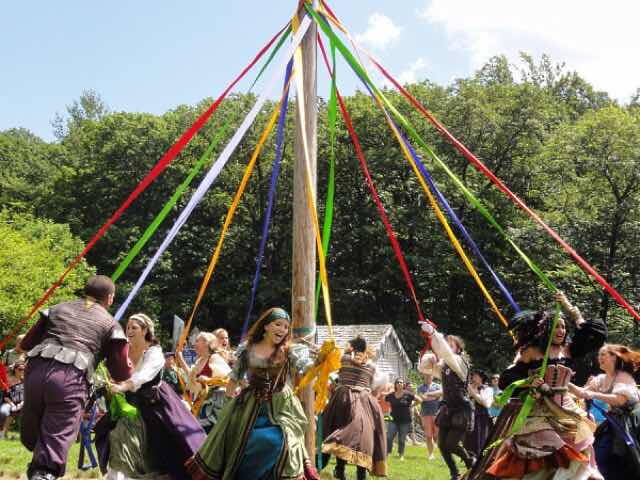
The earliest function of the Maypole was to simply dance around it. There were no ribbons tied to the top of it, though it was sometimes decorated with flags. 

As time passed the May Pole was given a special dance with the ribbons going around it. 
And actually this is all kind of new, dating back to just the last few hundred years.


Anyway, today's Beltane traditions may not necessarily be the purest form of paganism, and just because ancient Pagans probably didn’t dance around the Maypole, it doesn’t make Beltane any less fun. 

This festival officially begins at moonrise on May Day Eve, and marks the beginning of the third quarter or second half of the ancient Celtic year. 

Saturday, March 22, 2025

Wicca, Witchcraft or Paganism?

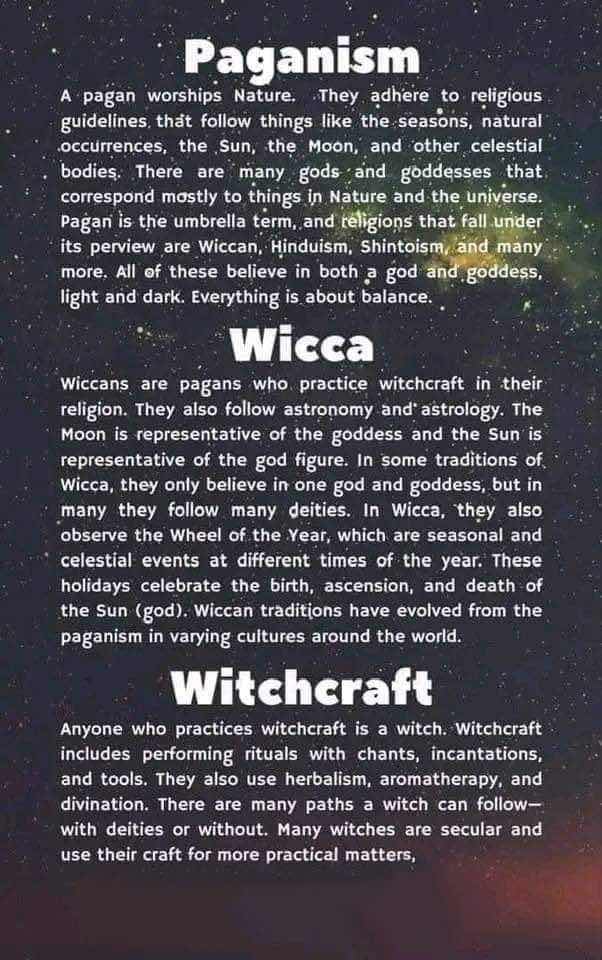
Questions we are asked a lot are "what exactly is a Pagan?"
"What about the differences between Pagans, Wicca and Witchcraft?"
We really like Patti Wigington's explanation sorting all this out. She has nearly thirty years of experience in studying modern Pagan belief systems. She works as an educator in the Pagan community, and in 2008, formed her own group, Clan of the Stone Circle.
Read the following by Patti:
"There is a great deal of debate among the Pagan community about whether or not Wicca is truly the same form of Witchcraft that the ancients practiced. Regardless, many people use the terms Wicca and Witchcraft interchangeably. Paganism is an umbrella term used to apply to a number of different earth-based faiths.
Wicca falls under that heading, although not all Pagans are Wiccan. So, in a nutshell, here's what's going on. All Wiccans are witches, but not all witches are Wiccans. All Wiccans are Pagans, but not all Pagans are Wiccans. Finally, some witches are Pagans, but some are not - and some Pagans practice witchcraft, while others choose not to."  READ MORE