Ostara

Tuesday, March 18, 2025

The 4 Thieves and the Plague


While there may not be one exact version of the story, there is one thing certain, the Bubonic Plague was a killing machine.
But during the plague four thieves went from house to house to rob those who had died from the illness, but they remained healthy.
After the thieves were captured and tried for the robberies, a judge offered to make a deal if they would explain how they were able to be around the sick but not be affected by the illness. 


If you look at the photo above, with the bird looking creature, it's interesting, that during the time of the plague in Europe, physicians wore long black robes, wide brimmed hats, and masks that appeared to have a beak. 
The reason for doing this is that the masks contained a combination of herbs, spices, and essential oils that the physicians would breathe in order to keep themselves safe from those infected.
While there are a few versions of the story they all center around one event, the Bubonic Plague.

So what did the thieves do to avoid the plague and what were the herbs, spices, and essential oils used in the masks of the physicians?

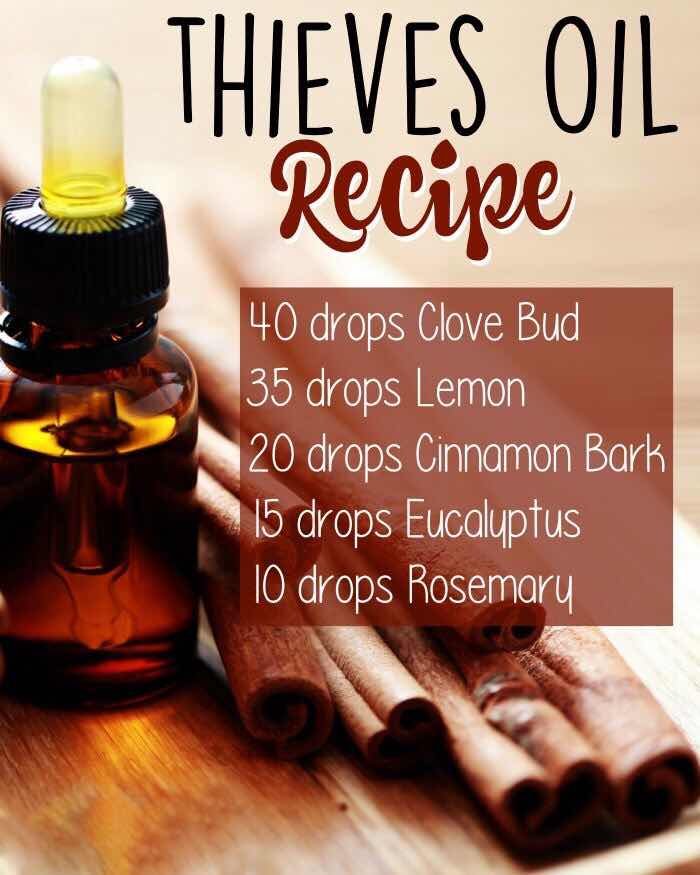
What we do know is that the powerful combination of clove, lemon, cinnamon bark, eucalyptus, and rosemary has been found to be strong enough to reduce bacterial cultures by 99.96%.


Antimicrobial properties
  • 2017 studyTrusted Source found that low concentrations of cinnamon and clove oil had high antimicrobial activity against persistent cultures of Borrelia burgdorferi, the causative agent of Lyme disease.
  • 2018 studyTrusted Source found that vapors of cinnamon oil inhibited the growth of respiratory pathogens like Haemophilus influenzae and Streptococcus pneumoniae in a petri dish. But eucalyptus oil had little activity.
  • 2012 studyTrusted Source showed that eucalyptus oil had antimicrobial activity against two types of bacteria that can cause disease in humans: Escherichia coli (E. coli) and Staphylococcus aureus (skin infections).
  • Overall, fewer studies have been performed on lemon oil. But twoTrusted SourcestudiesTrusted Source from 2019 observed that it has some antimicrobial properties.
Here are some ways you can use thieves oil in your day-to-day life.

Diffusion
A diffuser is a device that allows the scent of essential oils to disperse throughout a room. Typically the oils are placed in the diffuser along with water. Diffusion can be good for things like:
  • providing ambiance to a room
  • promoting alertness
  • elevating mood
  • reducing feelings of stress or anxiety
To use thieves oil for diffusion, carefully follow the product instructions that came with your diffuser. This is important, because the directions may vary by product.

Steam inhalation
Steam inhalation involves adding essential oils to a bowl of steaming water. The hot water vaporizes the oil, allowing it to be inhaled with the steam. This application may help with respiratory congestion or sinus issues.
To use thieves oil for steam inhalation, you can do the following:
  1. Add several drops of thieves oil to steaming water. You may want to start with just a couple drops so the scent isn’t overwhelming.
  2. Place a towel over your head and lean over the bowl of water.
  3. Keeping your eyes closed, breathe in deeply through your nose.

Massage
You can also make massage oils using essential oils. To do this, the thieves oil must be diluted in another type of oil, which is called a carrier oil. Carrier oils can include things like jojoba oil and coconut oil. Don’t apply essential oils directly on the skin unless diluted in a carrier oil.
The University of Minnesota Center for Spirituality and Healing recommends that the total percentage of essential oil shouldn’t exceed 3 to 5 percent of the total solution volume.
If you’re planning on applying massage oil to a large area, consider using a 1 percent solution.

Lotions and creams
You can also add thieves oil to unscented lotions and creams. These preparations can then be used for purposes such as soothing, cleansing, or helping with wound healing.
Like with massage oils, you’ll need to dilute thieves oil in the cream or lotion before applying it to your skin.
The National Association for Holistic Aromatherapy recommends that the final essential oil concentration be 1 to 2.5 percent for normal skin and 0.5 to 1 percent for sensitive skin.

Spray application
You can also use thieves oil in a spray. You may find this helpful for enhancing the scent of a room. Or you may want to tap into the antimicrobial properties of thieves oil and use it as a mild cleanser.
To use thieves oil in a spray:
  1. Add 10 to 15 drops of thieves oil per ounce of water used.
  2. Optional: Add a dispersing agent, such as solubol, to the solution. This helps the oil diffuse better in the water.
  3. Shake well and spray. You’ll need to shake it every time before you spray.


Monday, March 17, 2025

Lady Cassandra Sugar Cookies


These Dr. Who cookies are perfect for all occasions.
Using a basic Sugar Cookie recipe, these would be easy to make.


Ingredients
3 cups all-purpose flour, measured then sifted
1 1/2 teaspoons baking powder
1 teaspoon fine sea salt
3 sticks unsalted butter softened (1 1/2 cups)
1 1/2 cups granulated sugar + extra for rolling
2 large eggs
1 tablespoon pure vanilla extract 

Instructions
Preheat the oven to 375 degrees F.
Line several baking sheets with parchment paper. 
Mix the flour, baking powder, and salt in a medium bowl.
Place the softened butter and sugar in the bowl of your electric 
mixer.
Cream the butter and sugar together on high until light and fluffy, 
3-5 minutes. (Don't skimp on the time here.) 
Then turn the mixer on low and add the eggs and vanilla extract. 
Scrape the bowl.
With the mixer running on low, slowly add the flour mixture. 
Scrape the bowl and beat again for 30 seconds.
Pour some extra sugar into a bowl to coat the cookies.
Scoop the dough out and roll into 1-inch balls. 
The dough should be soft and delicate - don't over-handle. 
Shake each ball in the sugar bowl to coat, then place on the cookie sheets 2 inches apart. 
Use the bottom of a drinking glass to press down on each ball, until it's 1/3- to 1/2-inch thick, shaping as you go.
Bake each sheet of sugar cookies for 9-11 minutes, until the edges are slightly golden and the centers are just barely set. 
Cool completely on the cookie sheets.
Decorate using red and black icing pens.


Sunday, March 16, 2025

Saint Patrick and Pagans


Cinnamon Has Been Used Thousands Of Years


Cinnamon is an important spice.
It has been used for medical purposes for thousands of years, even modern science admits that Ceylon cinnamon offers great health benefits.

Cinnamon is a spice that is made from the inner bark of trees called Cinnamomum.
Way back in Ancient Egypt it was valuable, and was regarded as a gift fit for kings.

There are two main types of cinnamon:
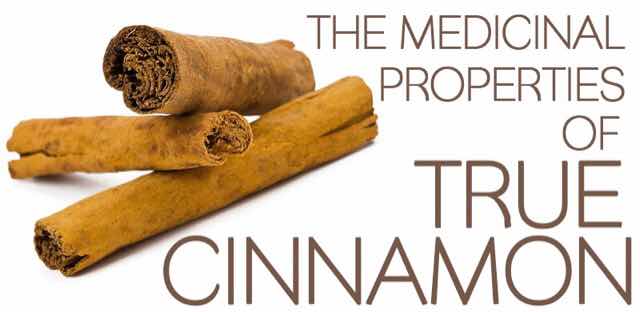
Ceylon cinnamon: Also known as “true” cinnamon, and this is the one we'll be talking about here.
Cassia cinnamon: This is the more common variety today, what people find in the grocery store. We won't be talking about this one much.


Cinnamon is made by cutting the stems of the cinnamomum tree. 
The inner bark is then extracted and the woody parts removed from it.
When it dries, it forms strips that curl into rolls, called cinnamon sticks. 
The sticks can be ground to form cinnamon powder.

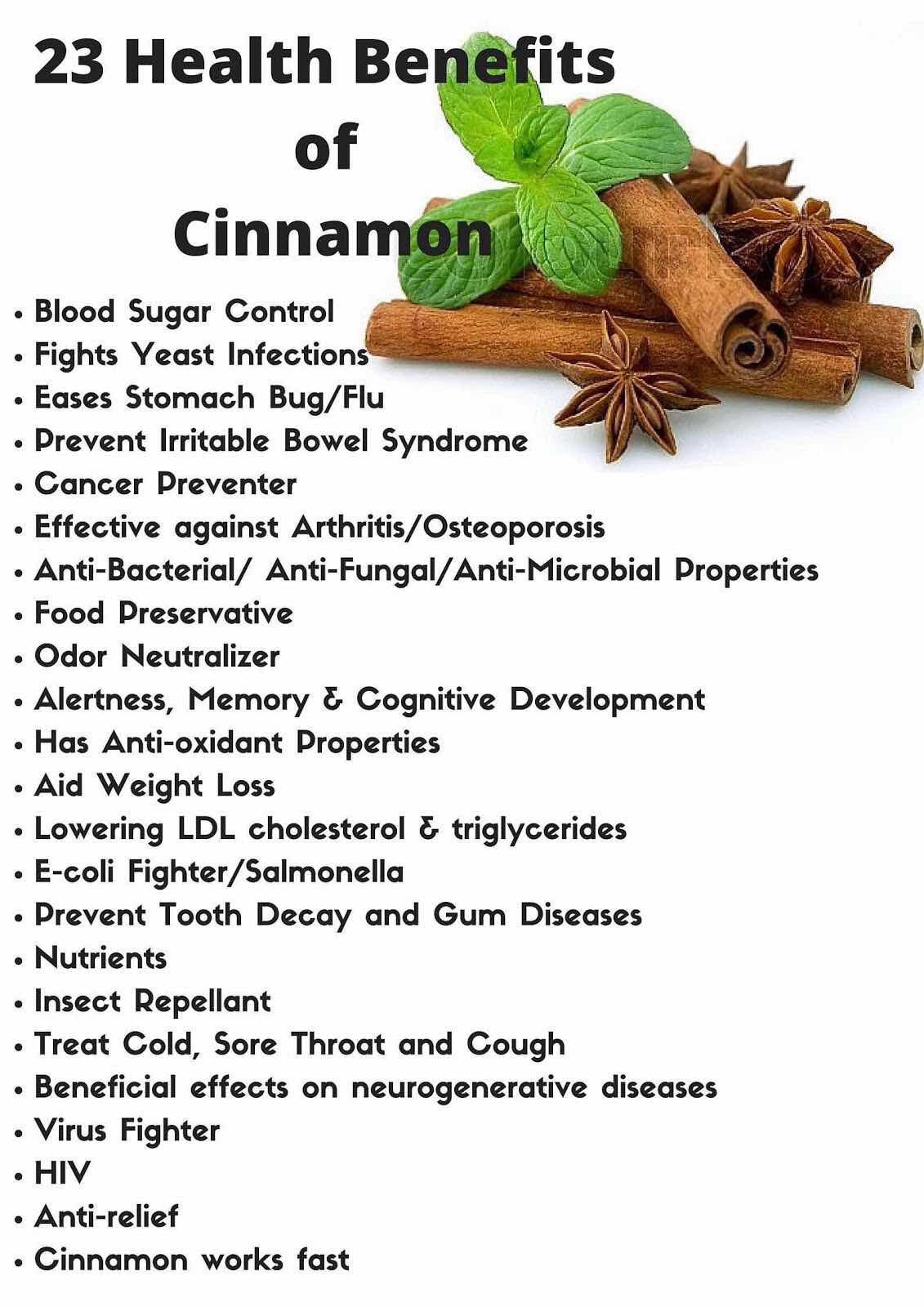
Cinnamon is Loaded With Antioxidants
Cinnamon is loaded with powerful antioxidants.
In a study that compared the antioxidant activity of 26 spices, cinnamon wound up as the clear winner, even outranking “superfoods” like garlic and oregano.
In fact, it is so powerful that cinnamon can be used as a natural food preservative (7).

Cinnamon Has Anti-Inflammatory Properties
It helps the body fight infections and repair tissue damage.
Cinnamon in some studies show that the antioxidants in it have potent anti-inflammatory activity 

Cinnamon May Cut the Risk of Heart Disease
Cinnamon has been linked with reduced risk of heart disease.
A recent study concluded that a cinnamon dose of just 120 milligrams per day can have these effects. 
In this study, cinnamon also increased HDL (the “good”) cholesterol.
So, true Cinnamon just may cut the risk of heart disease and improve some key risk factors for heart disease, including cholesterol, triglycerides and blood pressure.

Cinnamon Lowers Blood Sugar Levels and Has a Powerful Anti-Diabetic Effect
Cinnamon is well known for its blood sugar lowering effects.
Apart from the beneficial effects on insulin resistance, cinnamon can lower blood sugar  levels.
First, cinnamon has been shown to decrease the amount of glucose that enters the bloodstream after a meal.
Cinnamon has been shown to both reduce fasting blood sugar levels, having a potent anti-diabetic effect at 1 to 6 grams per day.

Cinnamon May Be Protective Against Cancer
Cinnamon has been widely studied for its potential use in cancer prevention and treatment.
Overall, the evidence is limited to test tube experiments but they suggest that cinnamon extracts may protect against cancer.
It acts by reducing the growth of cancer cells and the formation of blood vessels in tumors, and appears to be toxic to cancer cells, causing cell death. 
These findings were supported by test tube experiments, which showed that cinnamon activates protective antioxidant responses in human colon cells 
Whether cinnamon has any effect in living, breathing humans needs to be confirmed in controlled trials.

Cinnamon Helps Fight Bacterial and Fungal Infections
Cinnamaldehyde, the main active component of cinnamon, may help fight various kinds of infection.
Cinnamon oil has been shown to effectively treat respiratory tract infections caused by fungi.
It can also inhibit the growth of certain bacteria, including Listeria and Salmonella.
The antimicrobial effects of cinnamon may also help prevent tooth decay and reduce bad breath.
Cinnamaldehyde has antifungal and antibacterial properties, which may reduce infections and help fight tooth decay and bad breath.

It is Better to Use Ceylon (“True” Cinnamon)
Not all cinnamon is created equal.
The Cassia variety contains significant amounts of coumarin, which is believed to be harmful in large doses.
All cinnamon should have health benefits, but Cassia may cause problems in large doses due to the coumarin content.
Ceylon (“true” cinnamon) is much better in this regard, and studies show that it is much lower in coumarin than the Cassia variety.
Unfortunately, most cinnamon found in supermarkets is the cheaper Cassia variety.
You may be able to find Ceylon in some health food stores, or online.


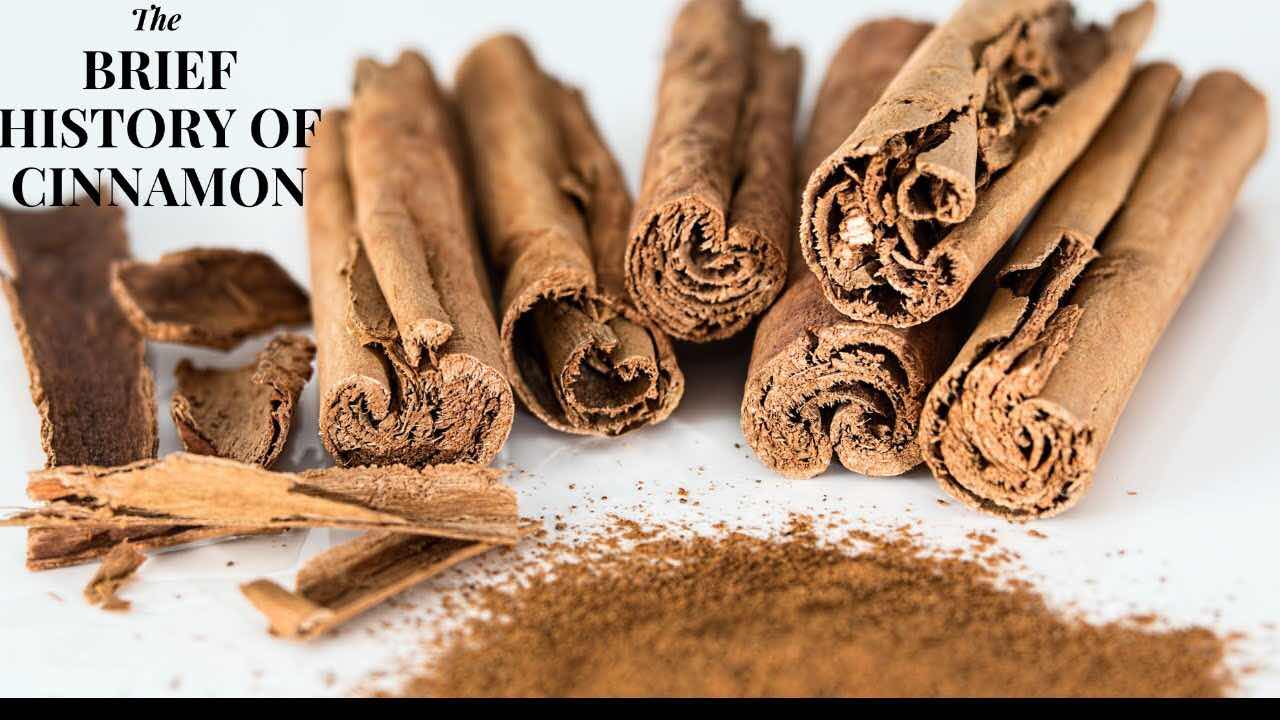
Ceylon cinnamon (Cinnamomum zeylanicum), sometimes called true cinnamon, has a long history. It originated in Asia, mostly Sri Lanka and India. Now, cinnamon shrubs are grown in almost every tropical region of the world.
Cinnamon is one of the oldest spices known.

Ancient Egypt. Cinnamon was used in ancient Egypt not only as a beverage flavoring and medicine, but also as an embalming agent. It was so highly treasured that it was considered more precious than gold.

Ancient China. About the same time, cinnamon also received much attention in China. It is mentioned in one of the earliest books on Chinese botanical medicine, dated back to around 2,700 B.C. Cinnamon’s popularity continued throughout history. Cinnamon was often added to food to prevent spoiling.

Ancient Rome. Cinnamon was used on funeral pyres in Ancient Rome. In 65 AD, Nero burned a year's supply of cinnamon at his second wife Poppaea Sabina's funeral in order to show the depth of his grief.

History of Cinnamon: Medieval Europe. Due to its demand, cinnamon became one of the first commodities traded regularly between the Near East and Europe. It became one of the most popular spices in medieval Europe.
During the Bubonic Plague, sponges were soaked in cinnamon and cloves and placed in sick rooms, and it has also been burned as an incense. During the explorations of the fifteenth and sixteenth centuries, cinnamon was the most sought-after spice.
In the Middle Ages, cinnamon was only affordable by the wealthy elite of society. A person's social rank during that time could be determined by the number of spices they could afford.
From the 16th to the 19th centuries, there were power struggles among European nations over who would control Ceylon and the lucrative cinnamon industry. In the early part of the 19th century, other countries began growing cinnamon and it became available to everyone.
History of Cinnamon: Modern Cinnamon Production. Today, Ceylon cinnamon is produced in Sri Lanka, India, Madagascar, Brazil and the Caribbean, while Cassia cinnamon is mainly produced in China, Vietnam and Indonesia. Most cinnamon sold in supermarkets in North America comes from the less expensive variety, Cassia cinnamon.