The Old Religion is the magic of the Earth itself. It is the essence which binds all things together.
Wednesday, January 22, 2025
Wolves In Sheep’s Clothing
Ancient Greece, Birthday Cakes and Candles
The Greeks worshipped many gods and goddesses.
Among them was one called Artemis, the Goddess of the Moon.
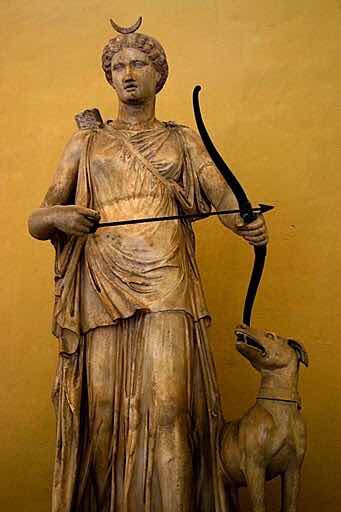
The Greeks celebrated her birthday once each month by bringing special cakes to her temple.
The cakes were round like a full moon.
And, because the moon glows with light, the cakes were decorated with lighted candles.
The lit candles on the cake represented protection and the glow of the moon, and the smoke from the candles carried their prayers and wishes to the gods who lived in the skies.
As far as gift giving, ancient Greeks gave gifts to those celebrating their birthday as a way to get rid of evil spirits.
It is believed, like many other pagan cultures, that days of major change, such as these “birth” days, welcomed evil spirits.
They lit candles in response to these spirits almost as if they represented the moon and light in the darkness.
Perhaps birthday celebrations started as a form of protection.
In addition to candles, friends and family would gather around the birthday person and protect them from harm with good cheers, thoughts, and wishes.
They would give gifts to bring even more good cheer that would ward off evil spirits.
Noisemakers were also used to scare away the unwanted evil.

Tuesday, January 21, 2025
Germany's 'Stonehenge'
Archaeologists have discovered 130 homes at an Early Bronze Age monument.
This suggests there was a community living around Germany's 'Stonehenge'.
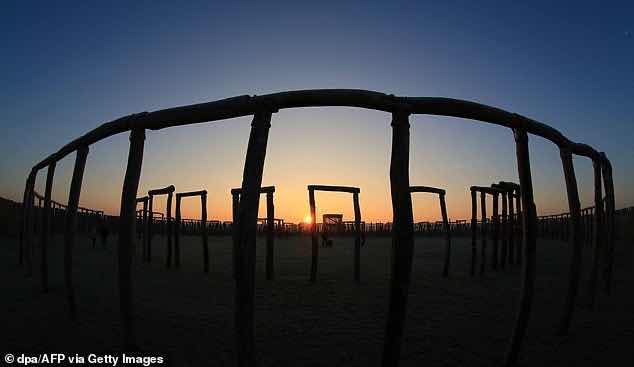
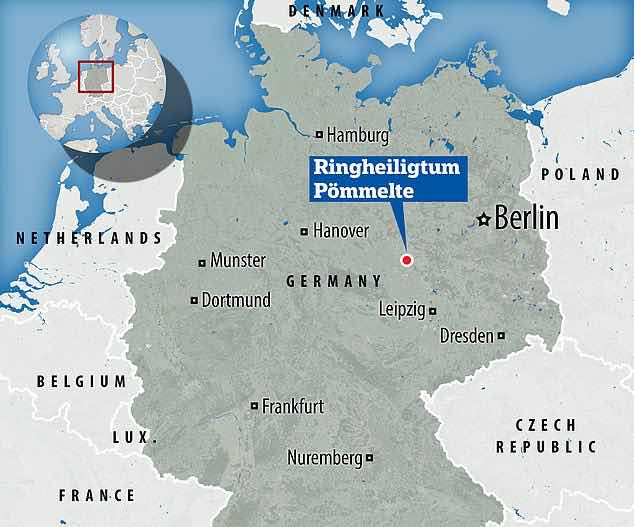
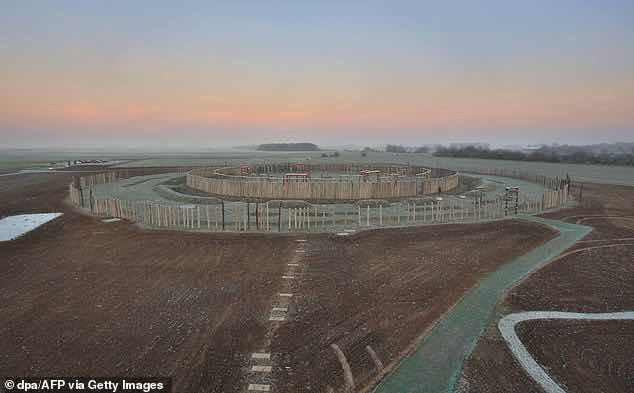
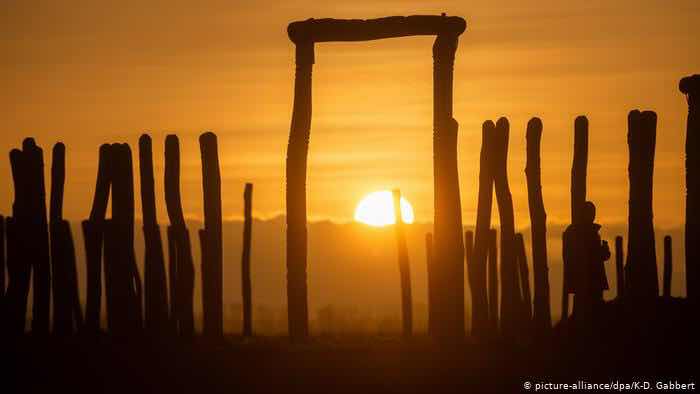
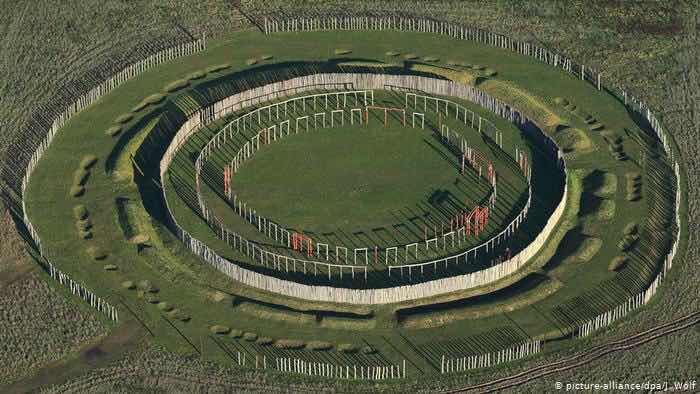
Pömmelte is a ring-shaped sanctuary with earth walls, ditches and wooden piles that is located in the northeastern part of Germany, south of Magdeburg. The site is very much reminiscent of the world-famous monument Stonehenge, and it is likely that the people there performed very similar rituals to those of their counterparts in what is now Britain 4,300 years ago.
It was always thought it was a ritualistic site, but now there is evidence of permanent neighborhood close to the monument.
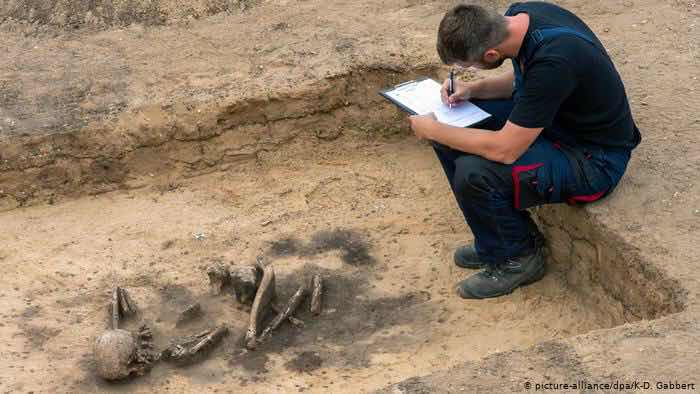
Previous excavations of the site found dismembered bodies of children and women, with some having suffered severe skull trauma and rib fractures.
It was assumed Ringheiligtum Pömmelte was purely a seasonal ritualistic site, used at certain times of the year or for purely ceremonial events, including funerary rites.
But with the new excavations in May 2021 archaeologists found homes and burial sites.
The team say further excavations are needed to understand the link between the recently discovered settlement and the ancient monument.