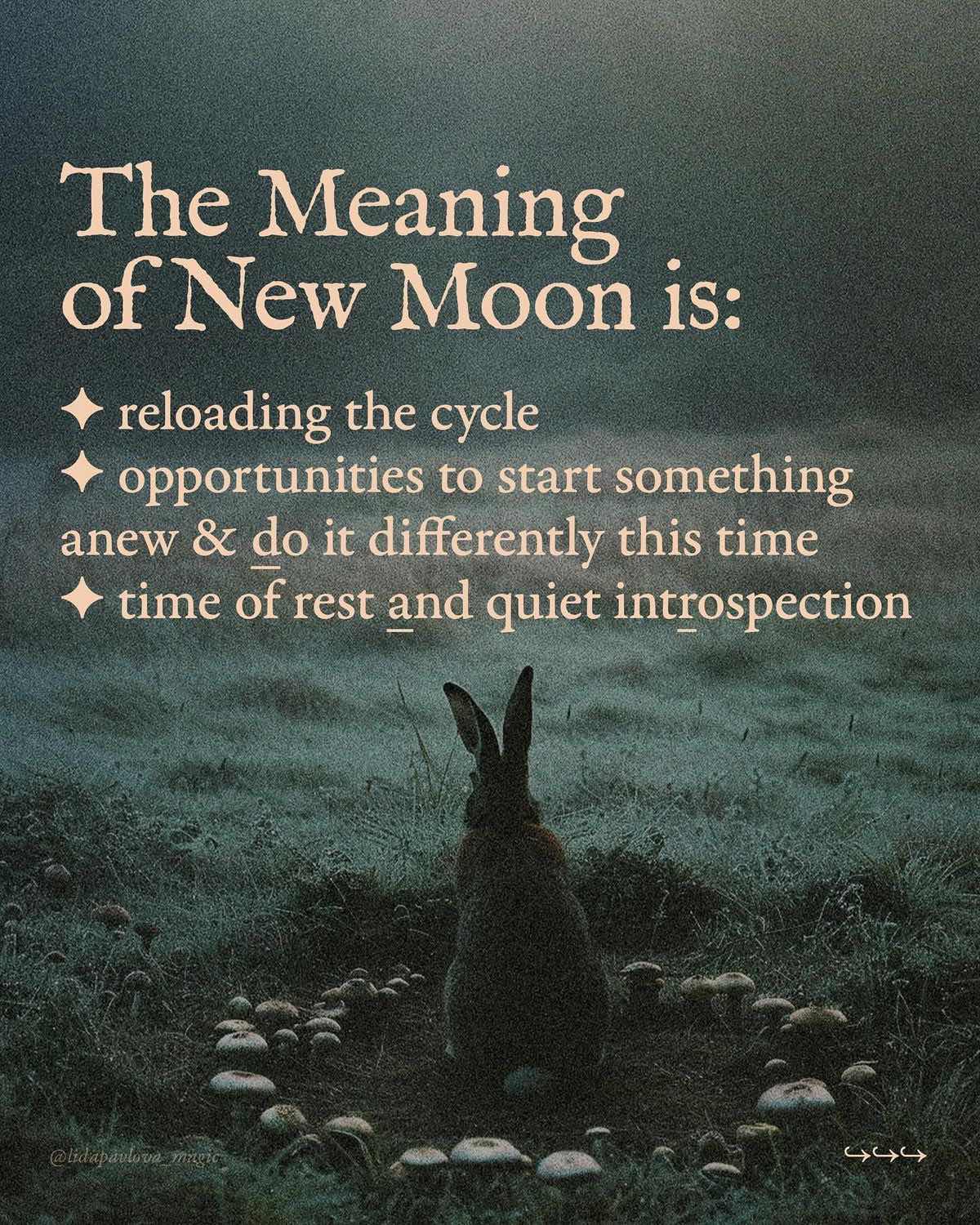
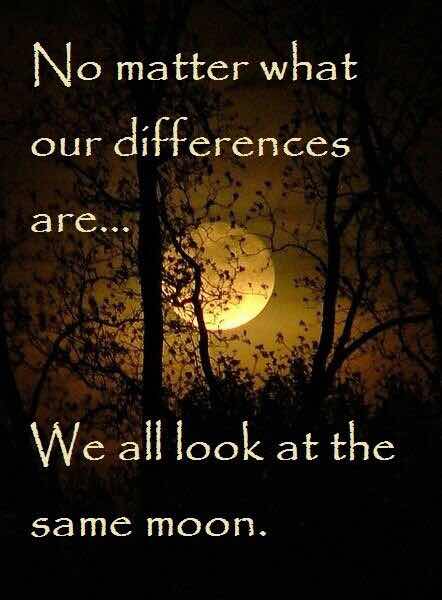
Regardless of our station in life, we are all under the radiance and influence of the same Moon.


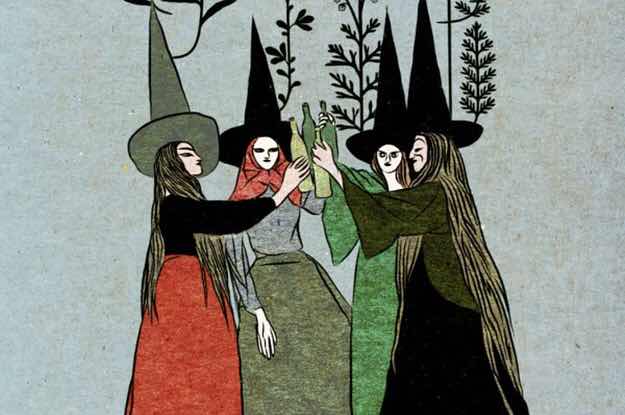
Actually, there are many paths to travel in Witchcraft.
You already know what you’re drawn to, what calls you.
Here’s a partial list of Witches and what they feel connected to…
Perhaps you’ll find yourself here.
TRADITIONAL WITCH
Traditional witches focus on the old ways–the ways that came before witchcraft based religion. Ancestral folklore and the historical accounts of witchcraft are important to traditional witches, as they want to honor the old ways of practicing their craft.
ECLECTIC WITCH
The eclectic witch draws inspiration from the many different types and styles of witchcraft and infuses them into their craft in a wonderfully blended mixture. An eclectic witch tends to make their own path, and it varies depending on the individual witch.
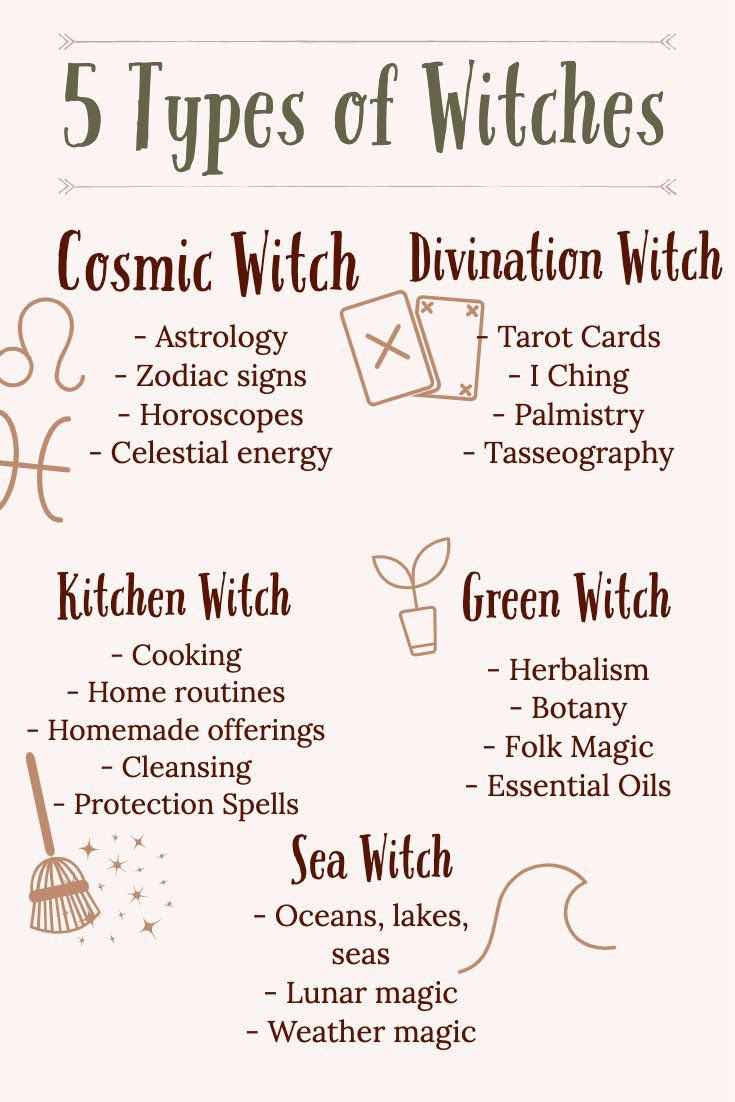
KITCHEN WITCH
Kitchen witches work much of their magick in the home or in the kitchen, and love to bake, cook and welcome new guests. The home is the focal point of their magick, and the offer a warm, nurturing and beneficial environment for anyone in it.
GREEN WITCH
Green witches are drawn to the energy of earth more than most. They use plants, herbs and flowers in much of their magick and are often practicing their craft in gardens, wooded areas and anywhere that contains natures essential energies.
SOLITARY WITCH
A solitary witch chooses to practice their craft alone. Where many witches will be drawn to gather in a coven. Generally, solitary witches choose to work their magick alone, because they feel a strong connection to their craft early on and have less of a need to work with others.
HEDGE WITCH
Hedge witches practice astral projection and other forms of communication to “jump the hedge” between this world and the spirit world. They send and receive messages between both worlds more easily than other witches.
ELEMENTAL WITCH
Elemental witches work their craft heavily based on the four elements of water, fire, earth and air. They call on the elements to bring about their magick and incorporate these elements with various items that represent each element respectively.
DIANIC WITCH
Dianic witches worship the Goddess Diana through three aspects of the Maiden, the Mother, and the Crone. Typical Dianic witches have heavily feminist values and infuse their craft with these values as well.
SEA WITCH
A sea witch practices their magick as they draw power and inspiration from the ocean and the moon. It’s the deep mystery and steadfast energy that draws many sea witches to this type of witchcraft and they often use elements of the ocean as tools in their practice.
CEREMONIAL WITCH
Many witches prefer the aspect of ritual more than others. These witches are often referred to as ceremonial witches, and they invoke many different spiritual aspects in their ceremonial magick to assist them in their practice and spellwork.
SECULAR WITCH
Witchcraft doesn’t ask for any specific belief system to be followed, and that goes for witches who are secular by their nature as well. Secular witches don’t attach spirituality to their craft or worship spiritual aspects to gain power from them.
HEREDITARY WITCH
The hereditary witch is one that is born into witchcraft is one way or another. They are part of a lineage of witches and the craft has been passed down and accepted by them.
COSMIC WITCH
Cosmic witches use the stars, cosmos astrology and astronomy to work their craft and look to celestial energy to bring power and purpose to their work. Cosmic witches are generally infatuated with cosmic events.
CORRELLIAN WITCH
Correllian witches follow Wiccan tradition of the line founded by Caroline High-Correll. The tradition is based upon the teachings of members of the High-Correll family.
GARDNERIAN WITCH
Gardnerian witchcraft is a Wicca school of witchcraft that became know in the 1950s when Gerald Gardner began teaching what he had learned in his own journey. Gardnerian witches generally have strong ties to nature and strongly ritual based.
ALEXANDRIAN WITCH
Alexandrian witchcraft is a Wiccan tradition that was founded by Alex and Maxine Sanders Maxine Sanders in the 1960s. Alexandrian Wicca is similar in many ways to Gardnerian Wicca, and receives regular mention in books on Wicca as one of the religion’s most widely recognized traditions.
WHAT KIND OF WITCH AM I?
By now, you’re probably feeling a bit of information overload.
If this is you, take a deep breath, trust your intuition and allow time for your journey to unfold.
You’ll find yourself being drawn toward elements and tools from each type of witchcraft above, and maybe even elements that aren’t included!
The beauty is in the process, and you’re in the right spot if you’ve opened your mind to the possibility that there’s something more for you in this world and that you can make a bigger impact with your craft.
Experiment, learn, grow and use your heart to guide you over the next several months. And as you do these things, keep your mind open to these different types of witchcraft to cultivate a new level of respect for yourself, the earth and the power that you have inside you.
Source: The Witchcraft Way.
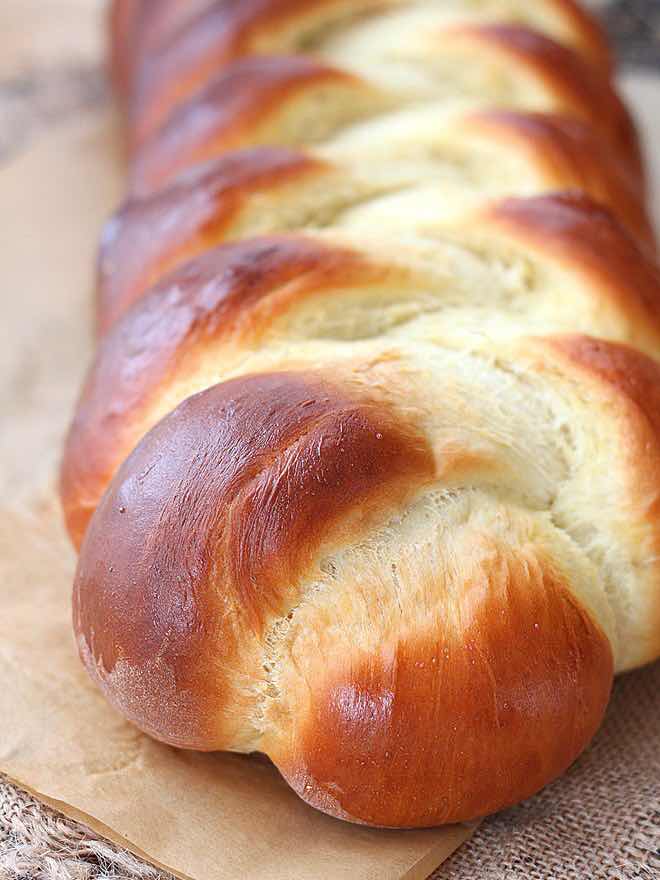
Pillow-y soft, tender and delicate, enriched with both eggs and butter this braided egg bread is so easy to make.
Perfect for Imbolc and for french toast or bread pudding.
Grains are associated with Saint Brigid, as well as the goddess Brigid.
Therefore, you may choose to make any kind of bread you'd like for Imbolc.
Try baking this braided Brigid bread.
If you've made bread before at home by hand, it's not too difficult to split the dough in three parts and braid it as you would braiding hair.
While you knead, roll, and braid the dough, give thanks to the Celtic ancestors, our beloved house elves, and to Brigid for peace, health, and abundance in the coming Spring.
Instructions