
Researchers say indoor air can be 10 times more polluted than the air outdoors.
This is because of the many toxic products we have in our homes, such as formaldehyde and benzene released from furniture, rugs, plastic and paints.
These products can then trigger headaches, fatigue, wheezing, allergic reactions, or a bad mood.
Air purifiers work, but there are other ways to clear the air as well.
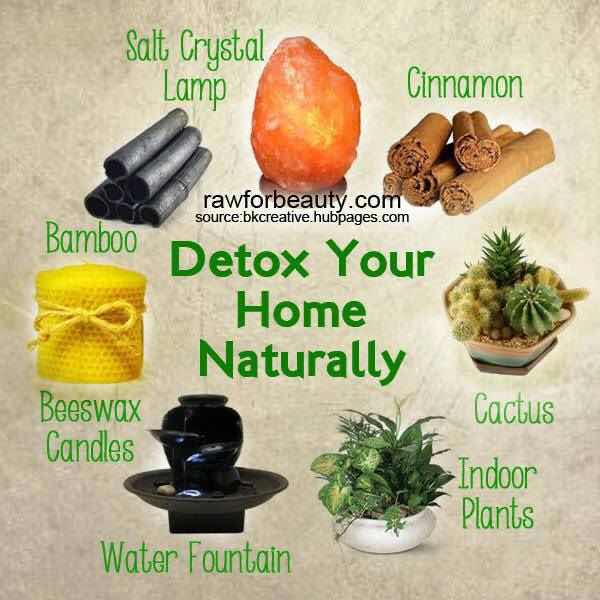
1) BAMBOO -
Bamboo is used often in Asia to clean the air.
Not bamboo as a stalk in its green state.
When bamboo is baked at ultra-high temperatures, it turns into absorbent charcoal.
This charcoal becomes an odor magnet which then draws in bad odors and also hazardous chemicals like formaldehyde, benzene, and ammonia.
Many people throughout Asia have used bamboo in briquette form for hundreds of years to eliminate odors from kitchens, bathrooms, closets, shoes, etc.
2) A SALT CRYSTAL LAMP
When the salt gets heated by the low wattage bulb, salt crystals are released into the air and attach to impurities, weighing them down so they cannot circulate and you will not breathe them in.
It will also neutralize pollutants and toxins, and it offers light therapy.
3) CINNAMON
Unfortunately the cinnamon often found in stores is not real cinnamon - just something that looks like it.
There are two main types of cinnamon:
Ceylon cinnamon: Also known as “true” cinnamon, and this is the one we are talking about here.
Cassia cinnamon: This is the more common variety today, what people find in the grocery store. We’re not talking about this one.
Studies show that the scent of cinnamon reduces fatigue, makes you feel happier, and increases your attention span. Simmer 1-2 tablespoons of ground cinnamon in a pan of water and the whole house will smell fresh and clean.
Those scented air fresheners on the market actually create toxic air by releasing dozens of chemicals as well as carcinogens.
4) BEESWAX CANDLES
Only real beeswax will do, and they should be made from 100% natural beeswax.
Regular candles on the market are often made solely from paraffin with added chemical scents; this then adds smoke and toxins to the air - whereas the beeswax literally cleans the air by producing pollution clearing negative ions (like the salt crystal lamp).
The initial cost may be higher but then they last five times longer. Make sure it says 100% beeswax on the label.
5) A CACTUS
Scientist in Switzerland have discovered that employees who suffer from tiredness and headaches feel more energized if a cactus is placed near their monitors.
It is thought that cacti have compounds that counter the effects of electromagnetic pollution and radiation emitted from the screen.
6) WATER FOUNTAIN -
Once again it is the negative ions at play (or work), like the salt crystal lamp and the beeswax candles.
The water fountain will wash away airborne germs.
The flowing water will release negative ions - air molecules that have broken apart, that then attach themselves to air pollutants dragging them down so you cannot breathe them in.
Researchers say the fountains are so effective at cleaning air - they work as well as a HEPA filter.
7) HOUSE PLANTS -
Houseplants are the most popular and most commonly used air cleaner used by people.
Some work better than others. NASA scientists have found that houseplants, like spider plants, and flowers like mums and gerbera daisies can remove up to 87% of toxic indoor air all in one day; this includes carbon monoxide and cigarette smoke.
Plants naturally have a built in filtration system that suck in hazardous particles and then neutralize them. Rooms with plants are said to contain half the amount of airborne microbes as rooms that do not have plants.
9 Different Sacred Smudging Herbs
Thanks to thespiritscience where this information first appeared and to bestblender.
1. Lavender
Lavender is a herb that we tend to use for a number of things already and smudging it is a wonderful treat. It promotes peace and relaxation. If you’ve been needing a bit more rest you should consider it.
2. White Sage
White sage is my favorite above all else. It is used to clear negative energies and does well for me. I use this one at least once a month if not every two weeks and it can help with stagnant energies in some big ways.
3. Common Sage
Regular sage overall is also used for cleansing and is great at helping to release negativity but it doesn’t necessarily work as well as white sage to me. If you want something that is a good start this is an option I would never turn someone away from.
4. Cedar Wood
While it might sound odd cedar is great for helping get rid of fear. It offers us a sense of power we do not find elsewhere. If you’re already operating properly this can be a great tool to make things easier.
5. Rosemary
Rosemary is often used to help to rid of sickness and clearing of the mind. It will make you feel better overall and I have when using it noticed it bring a sense of weight being lifted from my shoulders forth. While that might sound weird, it is quite true for me.
6. Blue Spruce
When smudging blue spruce you’re bringing forth a more generous atmosphere. This meaning you’re bringing in kinder energies and allowing them to work their magic. While not always the best on its own when paired correctly this is also a wonderful tool to have.
7. Palo Santo
Palo Santo is a very common one that you will likely hear about often. It helps to heal the body and can cleanse the home as well. It is often used when someone is ill.
8. Pine
Pine itself has rejuvenating properties and is used in smudging for a number of things. It is more commonly used to help others heal and can work wonders on your emotional state. I use pine quite often myself.
9. Lemongrass
Lemongrass is a great thing to smudge when you’re trying to remove obstacles and open doors. For instance, if you’ve been feeling stuck you may want to add this one to your list of things to pick up. It will make you feel much freer.
While there are tons of other herbs as well these are easily my top 9 go-to’s. If you think any of these speak to you perhaps you should give them a go. If not, try looking into things and choosing some for yourself. For information on how to smudge please check out the video below.