Ostara

Sunday, November 10, 2024

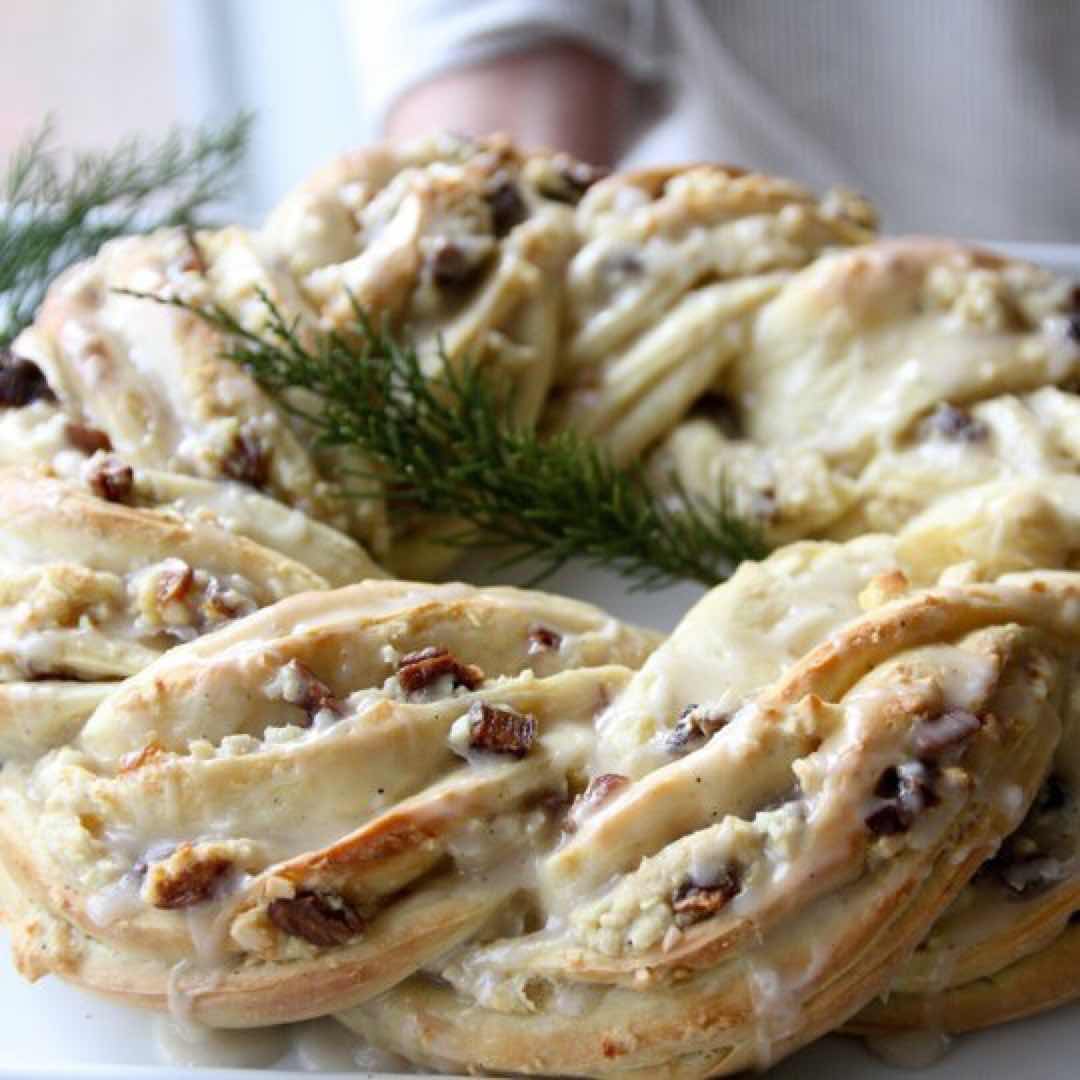
Yule Breakfast Bread


INGREDIENTS

For the bread


1 (2 1/4 teaspoons) packet active dry yeast

1/4 cup warm water

1/2 cup warm milk

3 tablespoons sugar

1 1/2 tablespoons salt

1 tablespoon cardamom powder

2 large eggs

2 teaspoons grated lemon peel

3 1/2 cups unbleached all-purpose flour


For the cranberry-almond filling


3/4 cup dried cranberries or cherries, soaked in 1/2 cup brandy or other liqueur

6 tablespoons butter, softened to room temperature

1/3 cup unbleached all-purpose flour

3/4 cup finely chopped blanched almonds

3 tablespoons sugar

1 tablespoon freshly grated lemon peel

1 tablespoon almond extract


For the sugar glaze


1 cup sugar

2 tablespoons water

1 tablespoon lemon juice

1/4 tablespoon cardamom powder


INSTRUCTIONS

Prepare the dough


In a large mixing bowl, dissolve the yeast in the water and let it foam up for a minute or two. Blend in the milk, sugar, butter, salt, cardamom, eggs and lemon peel. Stir in two cups of the flour, one cup at a time. Beat for 2 minutes. Add remaining flour 1/2 cup at a time until you have a soft, workable dough — you might not need to use all the flour.


Dump the dough out onto a lightly floured work surface and knead until smooth, 5 to 10 minutes. Add more flour if needed to prevent sticking. Place in a lightly oiled mixing bowl large enough to accommodate dough when doubled in size. Cover with plastic wrap and let it rise in a warm place until doubled in bulk, about 1 1/2 hours.


Prepare the cranberry-almond filling


Drain the dried fruit from the liqueur and reserve the liqueur for another use. In a small bowl, combine the drained fruit with remaining filling ingredients. Cover and refrigerate.


Shape the dough


When dough has doubled in size, punch it down and turn it out onto a lightly floured board, kneading just enough to release any air bubbles. Roll the dough into a 9x30-inch rectangle. Crumble the filling over the dough to within 1 inch of the edges. Starting along a long side, tightly roll up the dough, pinching edge against loaf to seal. With a sharp knife, cut roll in half lengthwise. Carefully turn the halves so the cut sides are facing up, and then loosely twist the halves around each other, keeping cut sides up. (See photos above for step-by-step instructions.)


Line a baking sheet with parchment or non-stick baking mat. Carefully transfer the rope to the baking sheet and shape into a wreath, pinching the ends together to seal. Let it rise, uncovered, in a warm place until puffy, about 45 minutes.


Preheat the oven to 350°F. Bake the wreath until lightly browned, about 25 minutes. While the wreath is baking, stir together the ingredients for the glaze and set aside.


When wreath is done, transfer to a cooling rack by picking up the sides of the parchment and then sliding the parchment out from underneath. Cool for a few minutes then drizzle the glaze over the warm wreath. Serve with extra butter if you're feeling decadent.




Friday, November 8, 2024

Making Decisions


Every day we make decisions, we make choices.
People often ask how to make good decisions?

The obvious answer might be through experience, but how does one get that kind of experience?

The not so obvious answer might be from bad choices.
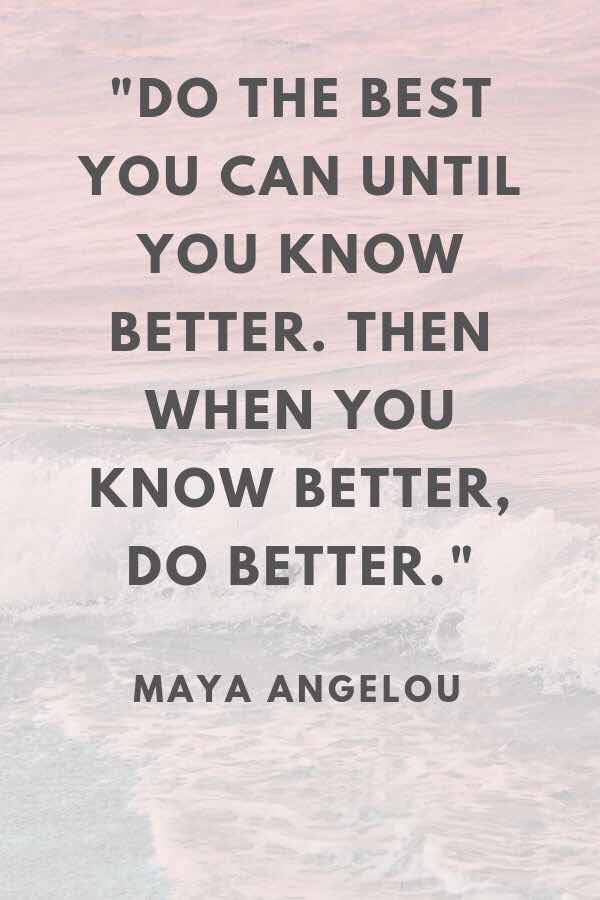
Perhaps then, there are no mistakes, only lessons that give us experience. 
Each experience provides us the opportunity to learn and understand better our next decision. 

But aren’t mistakes wrong?
We’ve been conditioned to label mistakes as something wrong, negative and useless.
From there we think we are useless and talk negative about ourselves instead of seeing the mistake as a process to learn, a valuable education.


This education is an opportunity for growth but it seems that the biggest reason people have difficulty making decisions is because their fear of making the wrong choice. 
And that’s because it’s pounded into our heads that mistakes are very wrong and your a loser for making them.

So what do we do?
We try to protect ourselves instead of trust the learn process.
We line up lots of options and countless choices in order to avoid making a mistake. 
We tend to believe the more choices the better.

One of those endless choices has to be the right one.
It makes sense doesn’t it?
How can you go wrong if you covered all the bases?
But in reality, the more choices we have, the less likely we are to make a choice—and if we do make a choice, the less likely we are to be satisfied with it.

We throw everything at the wall hoping something will stick, it gets so muddled and confusing.
But there’s a better way.
If we limit the number of options and choices to the most relevant, we get a clearer understanding of what we really want. 

Instead of a sea of confusion, there are a select few of real answers.
By trusting your intuition and gut instinct your choices are easier to understand.
People who narrow their options and aren’t endlessly looking for that one best choice, turn out to be much happier and more successful. 

Our higher self has the experience and it has the answers.
Trusting our intuition helps us stay focused, guiding us to what’s most important and what distracting.


All we have to do is listen.
All we have to do is pay attention and trust our higher consciousness.

We spend so much time relying on the same thinking we’ve always used to solve issues that a new to us.
If we use our intuition to give us cues, we can learn truths and answers. that we never knew before.


If we want to make decisions, wise decisions, we need to be able to draw on the wisdom from our intuition and common sense.

As our higher consciousness offers intuition and we notice and pay attention to these promptings we will make wiser decisions.


This takes practice, with practice we gain a greater understanding, so when the important decisions need to be made, we are tuned in and prepared to make wise choices.


The more you practice tuning in to your inner voice the more trust you’ll have with it.
You will rely less on outside distractions because you will have developed a path, aligning your intuition with your decision making process.