ANCIENT EGYPTIANS
The summer solstice was especially important in Ancient Egypt because it announced the coming of Sirius, the brightest star in the night sky.
Shortly after Sirius arrived each year, the Nile would overflow its banks and the flood season would begin, which the Egyptians relied on to nourish the land.
They believed that Sirius was responsible for the flooding and set their calendar based on the star’s arrival in the night sky.
As soon as the priests saw Sirius they declared that the New Year had begun.
Perhaps the oldest celebration of the solstice can be found in Ancient Egypt.
The ancient Egyptians designed their most important monuments to align with the solstice.
The great Sphinx on the summer solstice, the sun sets exactly between two of the Great Pyramids.

Ancient Egyptians also built a temple to Osiris that is illuminated by the setting sun on the solstice shines between two nearby hills.
Saturday, June 21st, is the summer solstice in the northern hemisphere and for many that means barbecues, pool parties, camping trips and vacations at the beach.
But for many of us, the solstice is a much more spiritual day and ancient traditions of honoring the sun.
For ancient civilizations this day had important significance.
It was a day critical to an agrarian calendar where crops and seasonal cycles had to be cared for, and a day that was held as a spiritual celebration of light over dark, and therefore, life over death.
ANCIENT CHINESE
In ancient China, the summer solstice was celebrated with a festival that honored the Earth, femininity and yin. This festival corresponded to the one held on the winter solstice that celebrated the yang.
The concept of yin-yang, still foundational to modern Chinese thought, derives from the belief that opposition forces (e.g., hot/cold, light/dark) are actually complementary and interconnected in all aspects of life.

Interestingly, it is the yang that was believed to reach the height of its influence on the summer solstice and so the festival actually celebrated the coming influence of the yin, which would gain power and influence until it reached its height on the winter solstice.
Honoring the balance between these two forces was and continues to be extremely important in the Chinese culture because if they are out of sync and an imbalance occurs, it will bring catastrophes such as “floods, droughts and plagues.”
ANCIENT EUROPEANS
The ancient Slavic, Celtic, Germanic peoples as well as the Vikings celebrated the Midsummer festival during the summer solstice. There was feasting and great bonfires.
The Vikings conducted much of their trade and legal transactions around the solstice because it was believed to be a time of great power.
In ancient Gaul the celebration was called the Feast of Epona and honored a mare goddess who protected horses. The Celtic Druids celebrated a Midsummer festival at the June solstice.
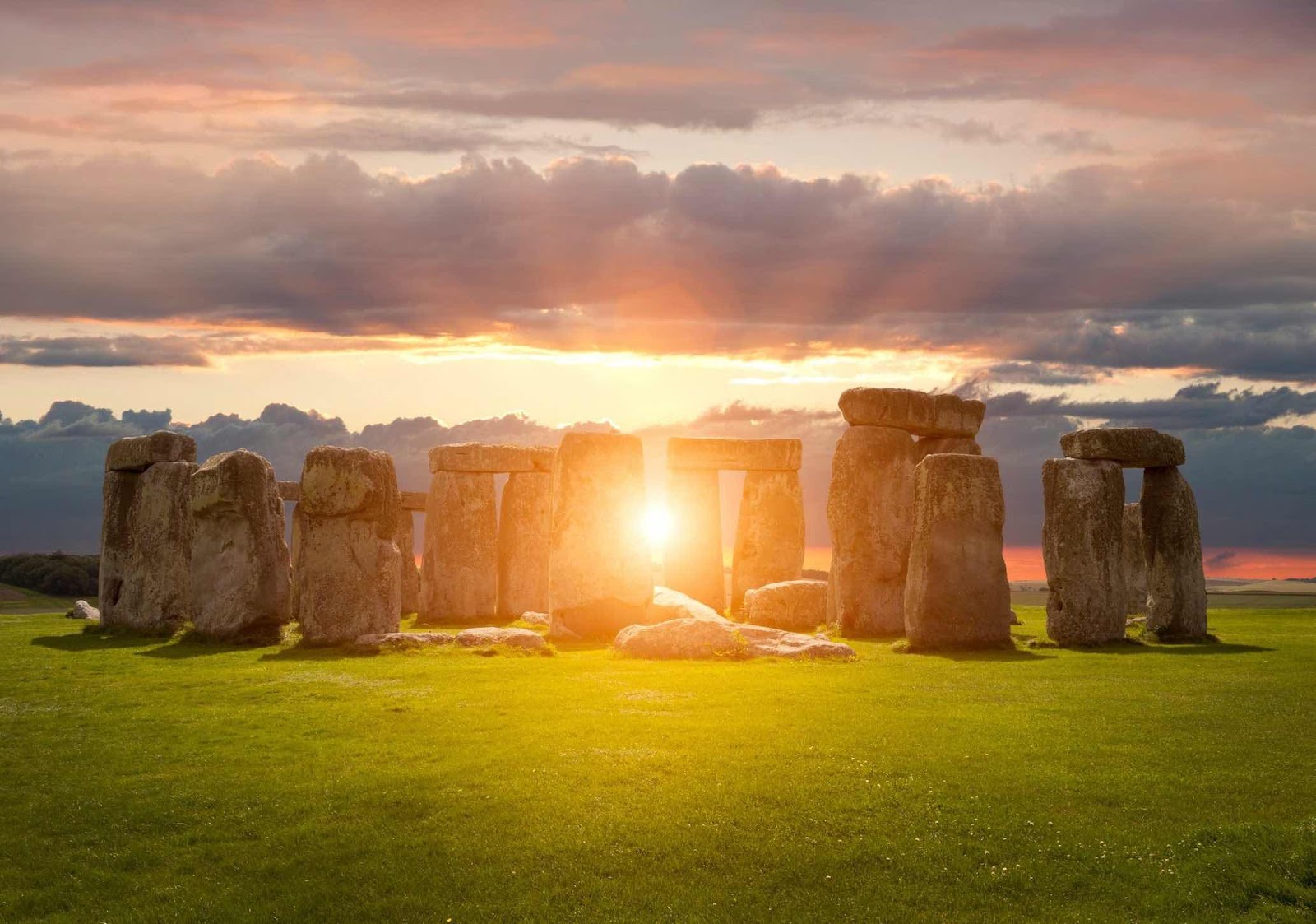
There are suggestions that the rituals took place at Stonehenge.
Built around 3100 BCE, some people believe it was designed to establish exactly when the summer solstice would occur.
Whether or not this is the true purpose of Stonehenge, many modern Druids continue to gather at Stonehenge to celebrate the first day of summer.
ANCIENT GREEKS
The summer solstice occurred exactly one month before the opening of the original Olympic Games. In addition, many festivals took place on and around the day of the solstice including Prometheia, which celebrated the Titan Prometheus, and Kronia, honoring the agricultural god Cronus.

Although the Greek calendar varied depending on the region and time period, for many versions the summer solstice was also the first day of the New Year.
NATIVE AMERICANS
Native American tribes celebrated the June solstice with great feasts and dances to honor the sun.
One of the most well-documented and elaborate is that of the Sioux, a celebration that continues to this day.
It is called the Wi wanyang wacipi, which translates to “sun gazing dance” and centers around a sacred cottonwood tree erected in the middle of a ritual circle.
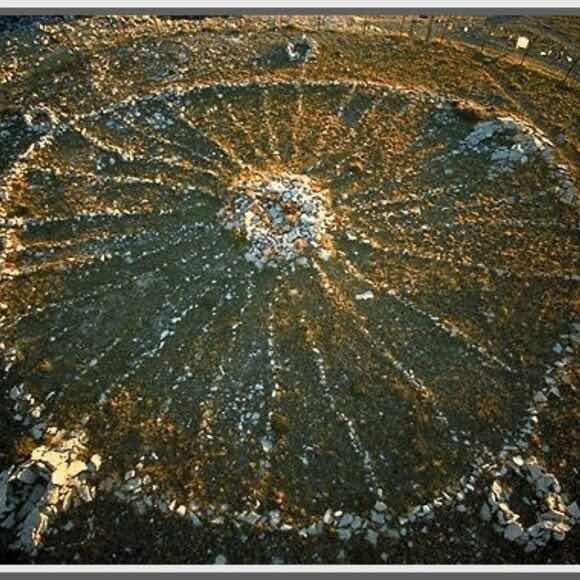
The tree is “a visible connection between the heavens and Earth.” Teepees would encircle the tree to represent the cosmos.
Participants fasted during the dance, their bodies decorated in the symbolic colors of red (sunset), blue (sky), yellow (lightning), white (light), and black (night).”
Regardless of your heritage or where you are when the summer solstice arrives, there are plenty of ways to honor the day.
No matter what you do, you’ll be taking part in an ancient tradition.