Beltane

Monday, April 6, 2026

Homemade Butter


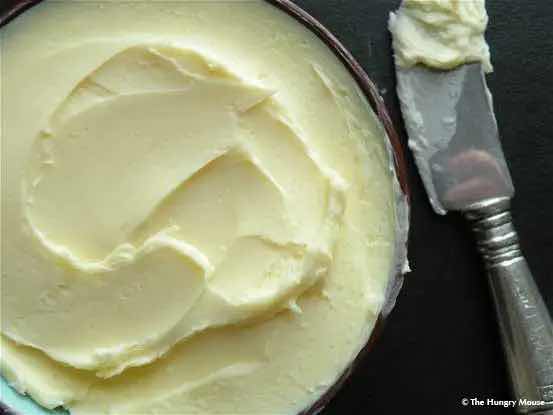
Homemade butter is delicious, easy and fun to make, here's all you'll need:


1 pint heavy whipping cream

Large bowl of ice water

Salt to taste 

A stand mixer, hand mixer or blender, or even a jar (see below photo) with a tight fitting lid.


This process will only take you15 Minutes and you'll get about 8 oz of homemade butter.


Here's what you do:

Pour a pint of heavy cream or whipping cream into your mixer or into a jar with a tight fitting lid.

If using a mixer use the low speed at first then increase to medium speed. 

If you're using a jar, start shaking (you'll need some serious shaking motion if using the jar method.)


At first, the cream will turn into whipped cream with soft, then stiff peaks, don't stop there.

Keep going until the cream breaks.


If you’re shaking the cream by hand, you’ll hear a swishing sound and see the liquid, 

you'll begin to feel something more solid hit the sides of the jar. 

If you’re using a stand mixer, you’ll see the butter clinging to the beaters. 


This usually takes anywhere from 5 to 10 minutes -- by hand may take longer. 

In this process, you are separating the butter fat from the liquid.


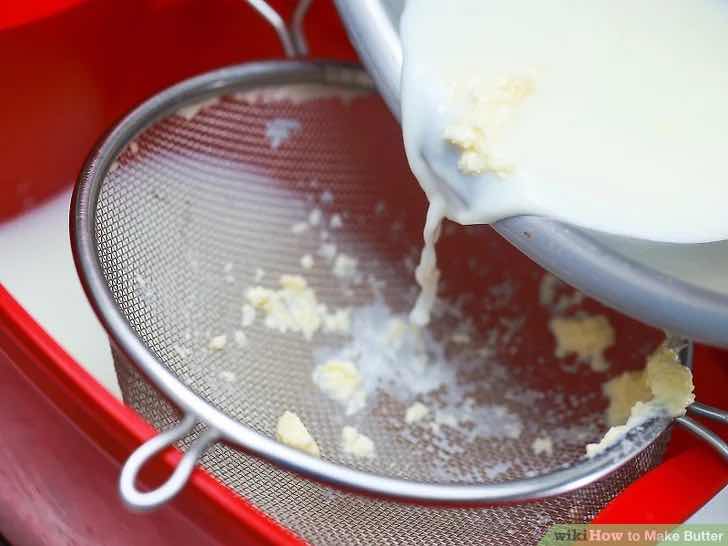
Once the butter has become solid, pour off the buttermilk and save it for baking. 

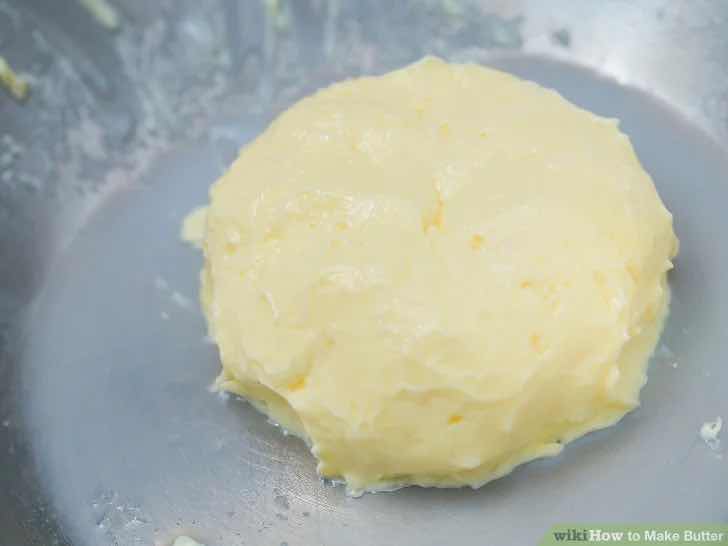
Place the butter into a bowl where you can rinse the butter pouring ice water over it and pressing the remaining buttermilk out with a small spatula or a spoon. 

Pour off the water and do it again.


Keep rinsing and pressing the butter with the ice water until the water runs clear.


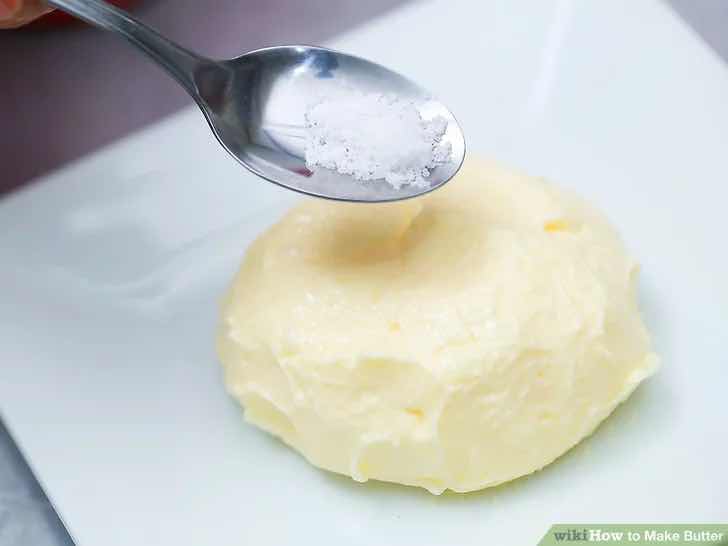
The, add some salt if you like and work that through the butter.


That's it!

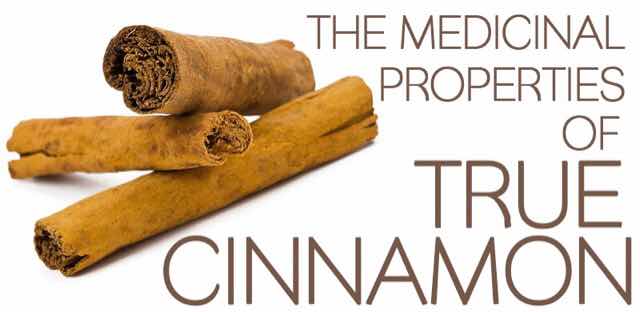
Cinnamon Has Been Used Thousands Of Years


Cinnamon is an important spice.
It has been used for medical purposes for thousands of years, even modern science admits that Ceylon cinnamon offers great health benefits.

Cinnamon is a spice that is made from the inner bark of trees called Cinnamomum.
Way back in Ancient Egypt it was valuable, and was regarded as a gift fit for kings.

There are two main types of cinnamon:
Ceylon cinnamon: Also known as “true” cinnamon, and this is the one we'll be talking about here.
Cassia cinnamon: This is the more common variety today, what people find in the grocery store. We won't be talking about this one much.


Cinnamon is made by cutting the stems of the cinnamomum tree. 
The inner bark is then extracted and the woody parts removed from it.
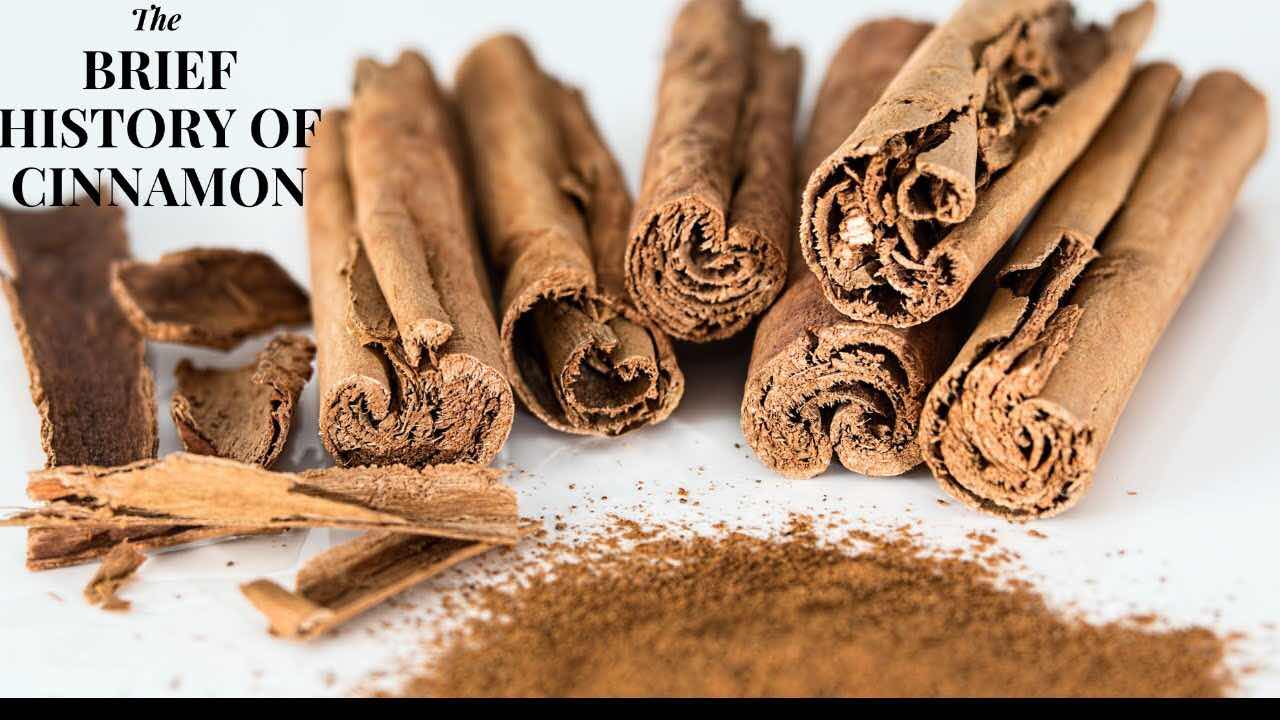
When it dries, it forms strips that curl into rolls, called cinnamon sticks. 
The sticks can be ground to form cinnamon powder.

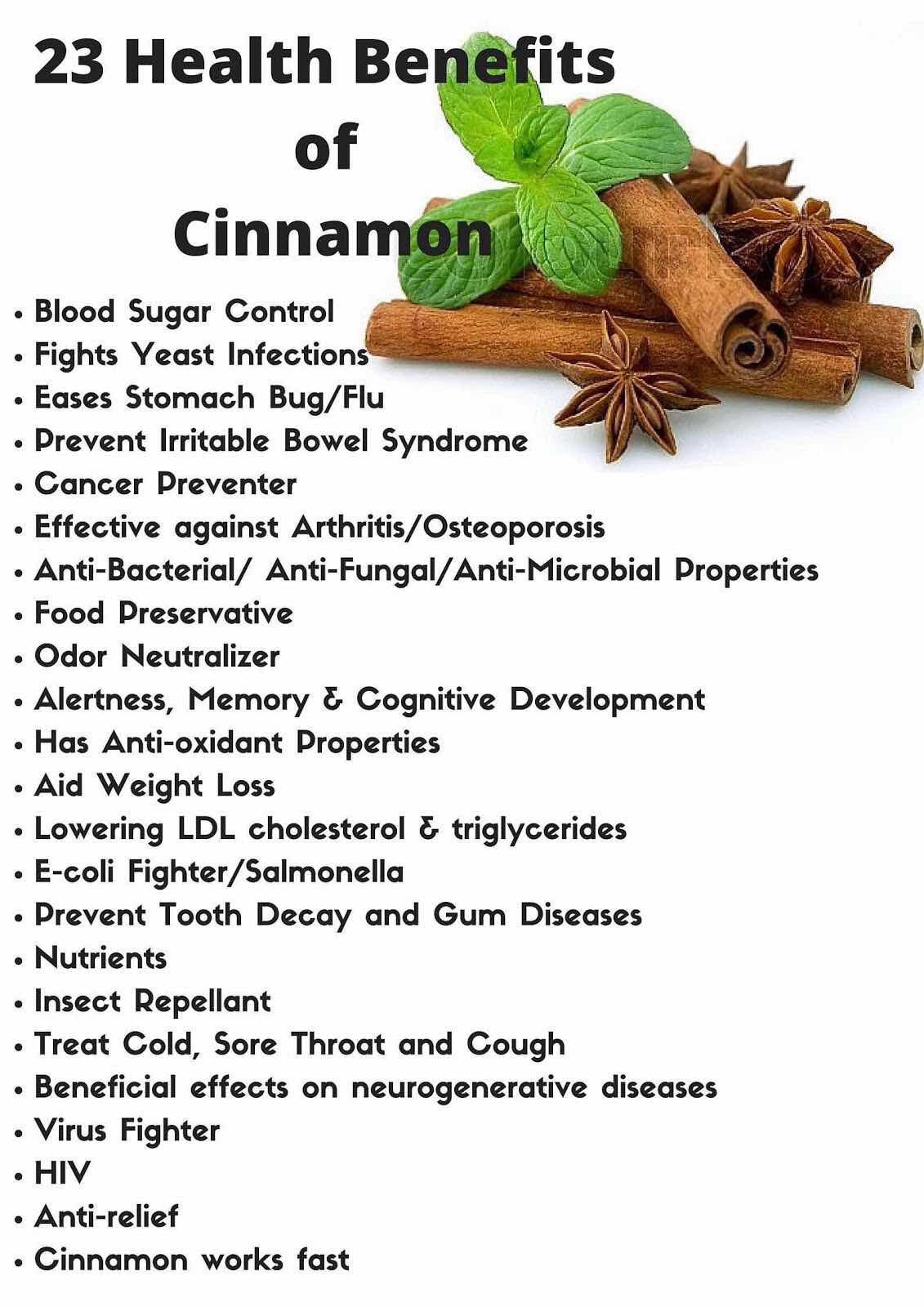
Cinnamon is Loaded With Antioxidants
Cinnamon is loaded with powerful antioxidants.
In a study that compared the antioxidant activity of 26 spices, cinnamon wound up as the clear winner, even outranking “superfoods” like garlic and oregano.
In fact, it is so powerful that cinnamon can be used as a natural food preservative (7).

Cinnamon Has Anti-Inflammatory Properties
It helps the body fight infections and repair tissue damage.
Cinnamon in some studies show that the antioxidants in it have potent anti-inflammatory activity 

Cinnamon May Cut the Risk of Heart Disease
Cinnamon has been linked with reduced risk of heart disease.
A recent study concluded that a cinnamon dose of just 120 milligrams per day can have these effects. 
In this study, cinnamon also increased HDL (the “good”) cholesterol.
So, true Cinnamon just may cut the risk of heart disease and improve some key risk factors for heart disease, including cholesterol, triglycerides and blood pressure.

Cinnamon Lowers Blood Sugar Levels and Has a Powerful Anti-Diabetic Effect
Cinnamon is well known for its blood sugar lowering effects.
Apart from the beneficial effects on insulin resistance, cinnamon can lower blood sugar  levels.
First, cinnamon has been shown to decrease the amount of glucose that enters the bloodstream after a meal.
Cinnamon has been shown to both reduce fasting blood sugar levels, having a potent anti-diabetic effect at 1 to 6 grams per day.

Cinnamon May Be Protective Against Cancer
Cinnamon has been widely studied for its potential use in cancer prevention and treatment.
Overall, the evidence is limited to test tube experiments but they suggest that cinnamon extracts may protect against cancer.
It acts by reducing the growth of cancer cells and the formation of blood vessels in tumors, and appears to be toxic to cancer cells, causing cell death. 
These findings were supported by test tube experiments, which showed that cinnamon activates protective antioxidant responses in human colon cells 
Whether cinnamon has any effect in living, breathing humans needs to be confirmed in controlled trials.

Cinnamon Helps Fight Bacterial and Fungal Infections
Cinnamaldehyde, the main active component of cinnamon, may help fight various kinds of infection.
Cinnamon oil has been shown to effectively treat respiratory tract infections caused by fungi.
It can also inhibit the growth of certain bacteria, including Listeria and Salmonella.
The antimicrobial effects of cinnamon may also help prevent tooth decay and reduce bad breath.
Cinnamaldehyde has antifungal and antibacterial properties, which may reduce infections and help fight tooth decay and bad breath.

It is Better to Use Ceylon (“True” Cinnamon)
Not all cinnamon is created equal.
The Cassia variety contains significant amounts of coumarin, which is believed to be harmful in large doses.
All cinnamon should have health benefits, but Cassia may cause problems in large doses due to the coumarin content.
Ceylon (“true” cinnamon) is much better in this regard, and studies show that it is much lower in coumarin than the Cassia variety.
Unfortunately, most cinnamon found in supermarkets is the cheaper Cassia variety.
You may be able to find Ceylon in some health food stores, or online.


Ceylon cinnamon (Cinnamomum zeylanicum), sometimes called true cinnamon, has a long history. It originated in Asia, mostly Sri Lanka and India. Now, cinnamon shrubs are grown in almost every tropical region of the world.
Cinnamon is one of the oldest spices known.

Ancient Egypt. Cinnamon was used in ancient Egypt not only as a beverage flavoring and medicine, but also as an embalming agent. It was so highly treasured that it was considered more precious than gold.

Ancient China. About the same time, cinnamon also received much attention in China. It is mentioned in one of the earliest books on Chinese botanical medicine, dated back to around 2,700 B.C. Cinnamon’s popularity continued throughout history. Cinnamon was often added to food to prevent spoiling.

Ancient Rome. Cinnamon was used on funeral pyres in Ancient Rome. In 65 AD, Nero burned a year's supply of cinnamon at his second wife Poppaea Sabina's funeral in order to show the depth of his grief.

History of Cinnamon: Medieval Europe. Due to its demand, cinnamon became one of the first commodities traded regularly between the Near East and Europe. It became one of the most popular spices in medieval Europe.
During the Bubonic Plague, sponges were soaked in cinnamon and cloves and placed in sick rooms, and it has also been burned as an incense. During the explorations of the fifteenth and sixteenth centuries, cinnamon was the most sought-after spice.
In the Middle Ages, cinnamon was only affordable by the wealthy elite of society. A person's social rank during that time could be determined by the number of spices they could afford.
From the 16th to the 19th centuries, there were power struggles among European nations over who would control Ceylon and the lucrative cinnamon industry. In the early part of the 19th century, other countries began growing cinnamon and it became available to everyone.
History of Cinnamon: Modern Cinnamon Production. Today, Ceylon cinnamon is produced in Sri Lanka, India, Madagascar, Brazil and the Caribbean, while Cassia cinnamon is mainly produced in China, Vietnam and Indonesia. Most cinnamon sold in supermarkets in North America comes from the less expensive variety, Cassia cinnamon.

Sunday, April 5, 2026

How Do I Pronounce...?


The names that are generally used to denote the Wiccan sabbats (as well as festivals of many pagan traditions) come from Gaelic (both Scots and Irish), Welsh, Norse, and Anglo-Saxon. 
There are variations of pronunciations for each one. 

We are not saying you have to say it with perfect pronunciation.
But since so many people have asked, here is a list that can give you a good start in trying to sound like the languages from which these words came.

Just remember, this is not some kind of Sekrit Pagan Language (TM); many of these words are in use in Europe today by pagans and non-pagans alike to denote these days. 

And yes, this shows a European bias, but then so do the commonly-used names for Wiccan holy days. 
These seem to be the names most frequently asked about in alt.pagan.


Samhain (31 Oct) -- Irish Gaelic for "summer's end." The standard Irish pronunciation is "sow-in" with the "ow" like in "cow." 
Other pronunciations that follow with the many Gaelic dialects include "sow-een" "shahvin" "sowin" (with "ow" like in "glow"). 
The Scots Gaelic spelling is "Samhuin" or "Samhuinn." 
There is no linguistic foundation for saying this word "samhane" the way it might look if it were English. 
When in doubt, just say "Hallows" or even "Hallowe'en."

Yule (21 Dec) -- Norse for "wheel." 
It's pretty much pronounced just like it looks, although if you want to make a stab at a Scandinavian sound, it'll be more like "yool" and less like "yewl." 
This is the winter solstice.

Imbolg/Imbolc (1 Feb) -- Irish Gaelic for "in the belly." Pronounce this one "IM-bullug" or "IM-bulk" with a guttural "k" on the end. 
Other names include Candlemas; Brighid (pronounced "breed"), who is the Irish goddess whose festival this is; and Oimelc (pronounced EE-mulk), which means "ewe's milk" in Scots Gaelic.

Ostara (21 Mar) -- Saxon name for a maiden goddess of spring, loosely connected to Astarte and Ishtar. 
This one's easy -- "o-STAHR-uh." 
Other names include Eostre (say "OHS-truh" or "EST-truh"). 
This is the spring equinox.

Beltane/Bealtaine (30 April) -- Irish Gaelic for either "fires of Bel" or "bright fires." 
If you want to try it in Gaelic, you can say "bee-YAWL-tinnuh" or "BELL-tinnuh." 
Unlike Samhain, this word can within the linguistic structure of its language of origin be pronounced like it looks -- "BELL-tane" -- without totally abandoning its original construction. 
Other names are Walpurgisnacht (vawl-PUR-gis-nahkt) and May Day.

Litha (21 Jun) -- Norse or Anglo-Saxon for "longest day." 
You can say this one just like it looks, or you can try for a Scandinavian sound and say "leetha" with the "th" more like a "t." 
This is the summer solstice.

Lughnasadh/Lunasa or Lammas (1 Aug) -- The first is Irish Gaelic for "festival of Lugh" (a major Irish deity); the second is Anglo-Saxon for "festival of the loaves" ("hlaf-mass"). 
Don't panic at that spelling; the second (which is modern Irish as opposed to old Irish) tells you all you need to know. 
Say "LOO-nah-sah." (Some people maintain that the Scots dialect says it "LOO-nah-soo.") Lammas is just like it looks, "LAH-mus." 

Mabon (21 Sep) -- This is believed to be a form of the Welsh word for "son." 
Therefore, it would probably be pronounced "MA-bon" with the "a" like in "mass." 
However, most Wiccans and pagans say "MAY-bon." 
This is the autumn equinox.

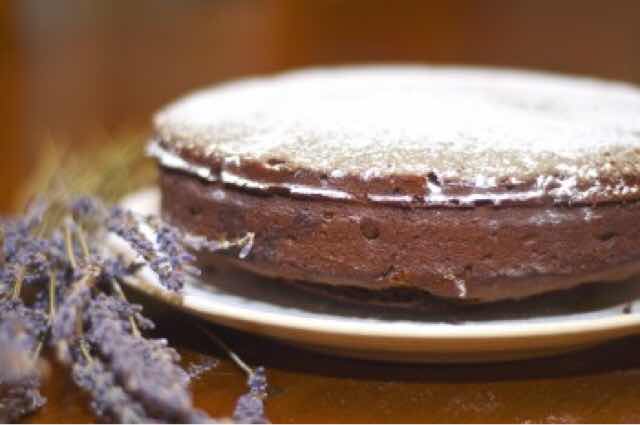
Beltane Cake


Beltane is a festival with ancient origins traditionally celebrated on May 1st, a spring time festival of optimism. 
This was a festival of great spiritual significance for the Celts, but some people celebrate it from a purely secular perspective. 

Numerous traditions surround the festival of Beltane. 
Bonfires would be set as a means of purification. 

Some people even burned their beds and floor coverings to start anew. 
The fires were also believed to protect people from harm by spirits of the netherworld. 
Many people put out sweets for the fairies in order to appease them. 

So, would you like to make the fairies happy?

Here's a traditional Beltane cake recipe and you can do just that:

Beltane Cake

This recipe makes a rich and spicy one-layer cake with 8-10 slices.

1 ¾ cups all-purpose flour

½ tbsp. baking powder

¼ tsp. nutmeg

½ tsp. ground cardamom

½ tsp. ground cloves

¾ tbsp. ground ginger

3 oz. unsweetened chocolate

½ cup milk

¼ cup brandy

½ tsp. vanilla

¾ cups butter

½ lb. dark brown sugar

3 eggs

¾ cups amaretto liqueur

confectioner sugar

Preheat oven to 350 degrees Fahrenheit. 177 degrees Celsius.

Grease a large bundt pan or spring-form pan.

Melt chocolate in a double boiler and set aside.

Mix milk, brandy, and vanilla.

Mix flour, baking powder, nutmeg, cardamom, cloves, and ginger in a separate bowl.

Cream the butter, then add brown sugar and beat until fluffy.

Add eggs, one at a time, into the butter mixture.

Add cooled chocolate to the butter mixture.

Add the flour mixture and milk mixture to the butter mixture a little at a time.

Pour mixture into greased bundt pan or spring-form pan.

Bake for approximately 50 minutes, or until done (test with a small knife), taking care not to overbake.

Let cake cool for 20 minutes before removing from pan, then place it into a bowl (flat side up) which is just large enough to hold it, but no larger.

Using a skewer, pierce the cake with 10-12 holes, being careful not to go all the way through.

Pour 1/3 of the amaretto over the cake. 

When that is absorbed, pour another 1/3 amaretto; when absorbed, pour the remainder onto the cake. 
This will take several hours.

When all of the amaretto has been absorbed, gently invert the cake onto a plate (flat side down).

Dust the cake with confectioner's sugar.

As a side note, in case you’re wondering...

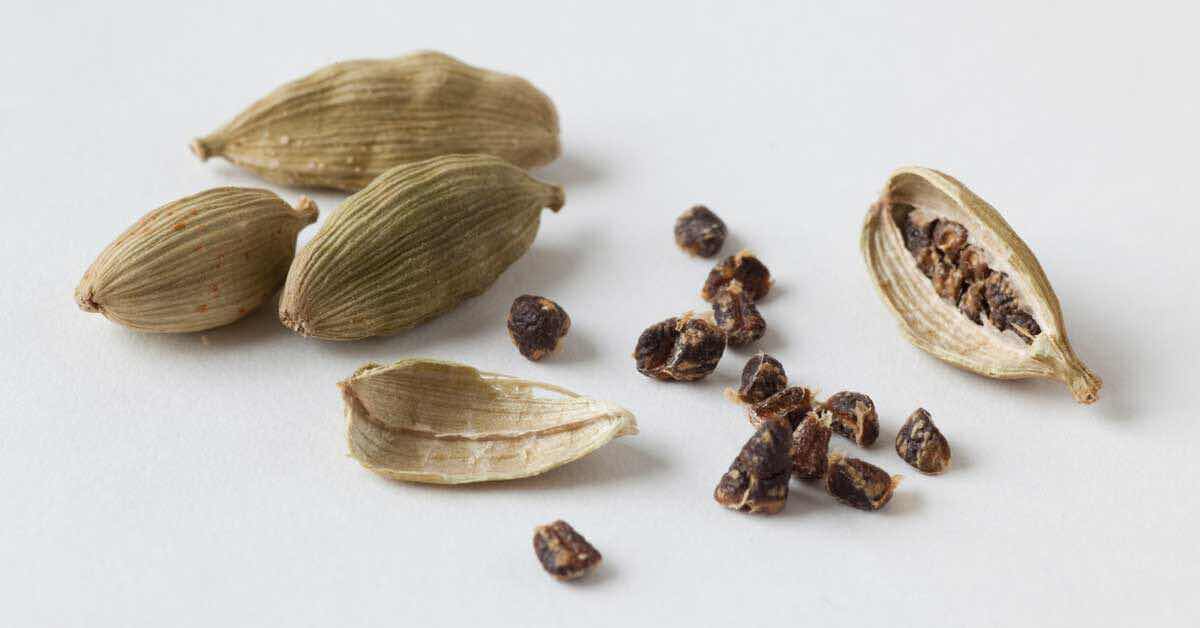
Cardamom is a spice made from the seed pods of the cardamom plant, a close relative to ginger and turmeric, that is native to South India. 

The triangle-shaped pods are made up of spindle-shaped clusters of seeds with a thin outer shell that can be enjoyed both whole or ground. 


The spice is frequently used in both sweet and savory dishes in global cuisines from India to the Middle East to Scandinavia.


The taste?

It has a piney, fruity, and almost menthol-like flavor. 

When used too much, it can be slightly astringent, so use sparingly.